



























Artificial intelligence (AI) has taken over many industries worldwide, such as media, consumer goods, financial services and health care. It can be found in almost every aspect of our daily lives. AI is commonly defined as the simulation of human intelligence by machines, and it is usually used to perform tasks such as learning, reasoning, problem-solving and decision-making. In 2026, AI has become more prevalent than ever, to the point where it is almost impossible to avoid. Brands such as Google and Microsoft have integrated and partnered with AI, creating software such as Gemini, ChatGPT and Midjourney.
In the past few years, artificial intelligence has started being used in the workplace, such as being used to help draft emails to supervisors, creating personalized healthcare plans and being used in everyday life to do things such as set timers or hear the weather through home software such as Amazon’s Alexa or Apple’s Siri. This technology has evolved greatly over the past decade, with many artificial intelligences previously being used for hyperspecific tasks rather than general use, analysis and more complex tasks. However, despite its assistance to the majority of the population, many people believe that artificial intelligence can be harmful when overused.
For example, according to the National Academy of Professional Studies, “AI, like most major technological advancements, can be used for good or for ill. In the worst cases, there will be bad people and organisations who use the new technology to perpetrate physical, psychological, financial, and other harms.”
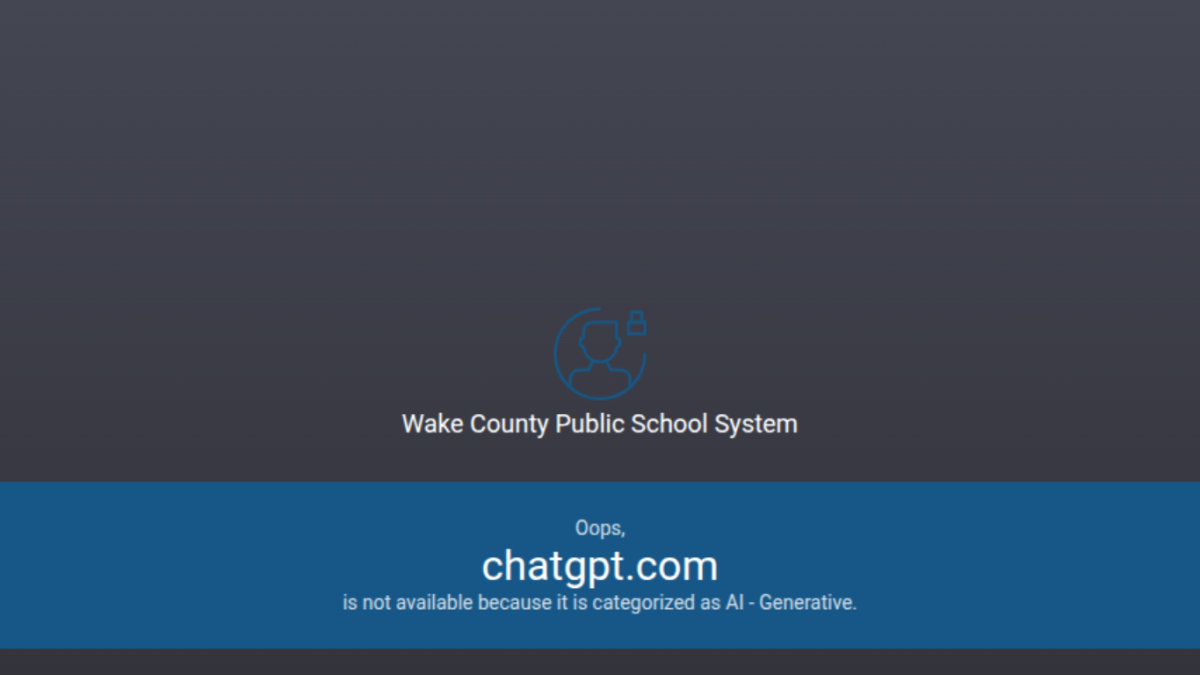
Along with common use in the workplace, AI has also become a common tool used in schools. It has been used for a variety of purposes, such as studying, asking questions when you do not understand a topic and do not have access to a person who can help, and possibly coming up with topic ideas for projects or when you do not know how to continue an essay. However, along with these common uses, artificial intelligence is often used for cheating or even plagiarism. A student might use AI to generate an essay or prompt and then try to pass off the computer’s work as their own. This can lead to schools becoming distrustful of artificial intelligence as a whole, struggling with how to approach AI regulation or even considering banning the use of the tool altogether.
On the plus side, artificial intelligence can sometimes be used for personalized tutoring with students, which has the benefit of being available at all times and accessible with a few taps on your phone. These features can be used from many websites, from software such as Google’s Gemini or ChatGPT, or even through specialized AI programs such as Khan Academy’s Khanmigo, Tutor AI or Quizlet’s Q-Chat. Often being cost-effective and adapting to the user’s pace and skill level, users can ask questions about certain topics, methods of problem solving, or check their answers to see if they are correct, or if not, what they did wrong.
According to Faculty Focus, “An AIPRM report of U.S. students, for instance, found a 62% increase in test scores among those using AI-powered instruction systems, attributed to the technology’s ability to identify and address knowledge gaps before they develop into larger challenges.”
Another positive of artificial intelligence includes assisting teachers in planning coursework and lesson plans. Many teachers believe that these tools can save time, as with a few simple prompts and refinements this software can generate interactive lesson plans for both students and teachers to use. This can allow teachers to put their time to other tasks, which may include one-on-one time with students or grading. Many teachers also may use AI for more administrative tasks, such as spreadsheets or emails.
However, there are many fears and cons about the act of using artificial intelligence in schools, one of which includes students becoming overly reliant on the technology to do tasks such as writing and research for them, which may cause them to not know how to do the task themselves. This raises concerns that younger people may not know how to think for themselves and lack the work ethic needed to complete their tasks. Furthermore, many older generations fear that students may not be able to take pride in their own work and may ‘cheat their way’ through classes.
According to Discovery Education, “Sometimes, using AI too quickly can actually interrupt learning rather than enhance it. AI should be used to support learning, not replace the thinking and effort students need to develop on their own.”
Artificial intelligence also may not always provide accurate information, as changes to software are still ongoing. Many people may not always verify the information they were given, causing their knowledge to be incorrect or their assignments to provide incorrect information, potentially harming a student’s grade.
Overall, artificial intelligence may not need to be erased from classrooms, but proper use requires moderation and self-reflection. To use artificial intelligence to minimize harm, students should ask themselves if their use is enhancing their learning experience or replacing it, as well as whether it supports their school’s core learning goals. In conclusion, AI can be both helpful and harmful in schools, and the best way to use it is in moderation and by using your own knowledge and resources to determine if the information it is giving is correct.