






































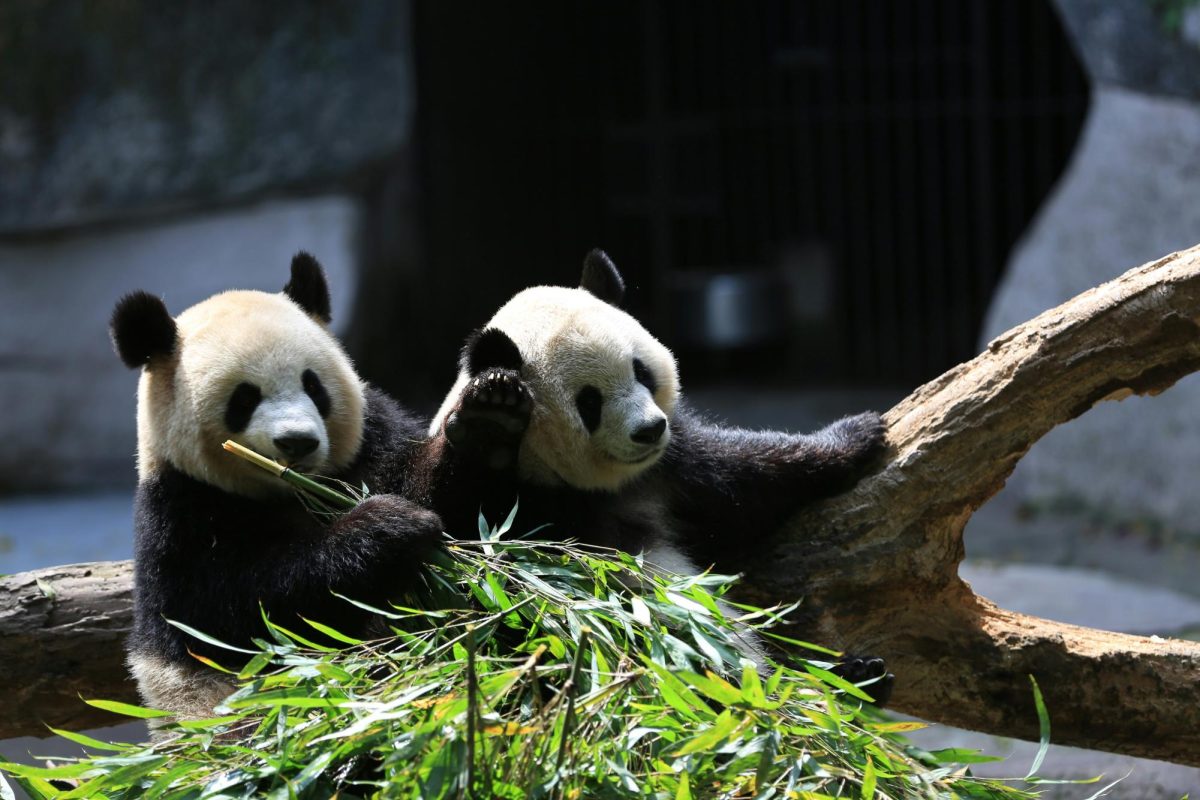
Pandas are often seen as cute animals that people love to watch in zoos and on videos. However, caring about pandas is not just about how adorable they look. Pandas matter because they are closely connected to nature, forests and human life as well. When pandas are in danger, it also means their environment is in trouble. Protecting pandas helps protect the land, plants and animals around them. In a world where many species are disappearing, pandas remind us why protecting wildlife is important.
According to the World Wildlife Fund, “The biological diversity of the panda’s habitat is unparalleled in the temperate world and rivals that of tropical ecosystems, making the giant panda an excellent example of an umbrella species conferring protection on many other species where pandas live.” This means that when we protect pandas, we also protect the other animals living in the same forests. These forests are home to birds, insects and mammals that depend on bamboo forests to survive. Saving pandas helps save them too.
Pandas live mainly in mountain forests in China, where bamboo grows. These forests are important because they help clean the air, store carbon and provide fresh water. When forests are cut down for roads, farming or constructions, pandas lose their homes. This not only hurts pandas, it also harms the balance of nature. When one part of the ecosystem is damaged, everything else is affected. Pandas help show us how healthy or unhealthy an ecosystem is.
Another reason to care about pandas is their impact on people. Protecting panda habitats helps provide clean water and stable lands for nearby villages. Forests prevent landslides and floods, which can destroy homes. When pandas’ reserves are protected, local communities benefit from safer environments and tourism. Many people earn jobs working at the conservation areas or help visitors learn about wildlife.
A study reported by ScienceDaily states that panda reserves provide ecosystem services worth billions of dollars each year. One researcher explained that “panda conservation has great value that extends far beyond protection of pandas themselves.” This proves that saving pandas isn’t a waste of money, as some people believe. Instead, it is a smart investment in nature and human well-being.
Pandas also have strong cultural value. They are the national symbol of China and a global sign of peace and conservation. Pandas are often used in diplomacy to build friendly relationships with other countries; because people already care about pandas, they are most likely to support the conservation programs. This support then can be used to help other endangered animals that do not get as much attention.
WWF describes the animal, stating, “The panda, with its distinctive black and white coat, is adored by the world and considered a national treasure in China.” This popularity is powerful. When people care emotionally about an animal, they are more willing to donate money, sign petitions and support laws that protect nature.
Some people argue that pandas get too much attention compared to other endangered animals. While this may be true, pandas play an important role as a ‘starter species.’ Once people learn about pandas, they often learn about climate change, deforestation and endangered wildlife in general. Pandas open the door to wider environmental awareness. Pandas have evolved to eat bamboo, a food source that almost no other animal wants. They don’t attack people, they don’t fight for territory with the other big predators and they don’t destroy their habitat. If they’re not hurting anyone, aren’t destroying anything and bring joy and beauty to the world, why should we use human standards of ‘productivity’ to decide if they deserve to live?
In the end, caring about pandas is about caring about the planet. Pandas depend on healthy forests, and humans depend on the same forests for clean air, water and climate balance. When we protect pandas we are protecting ourselves. Pandas are not just cute animals to admire, they are a reminder that nature and humans are deeply connected, and protecting one helps protect the other.