

































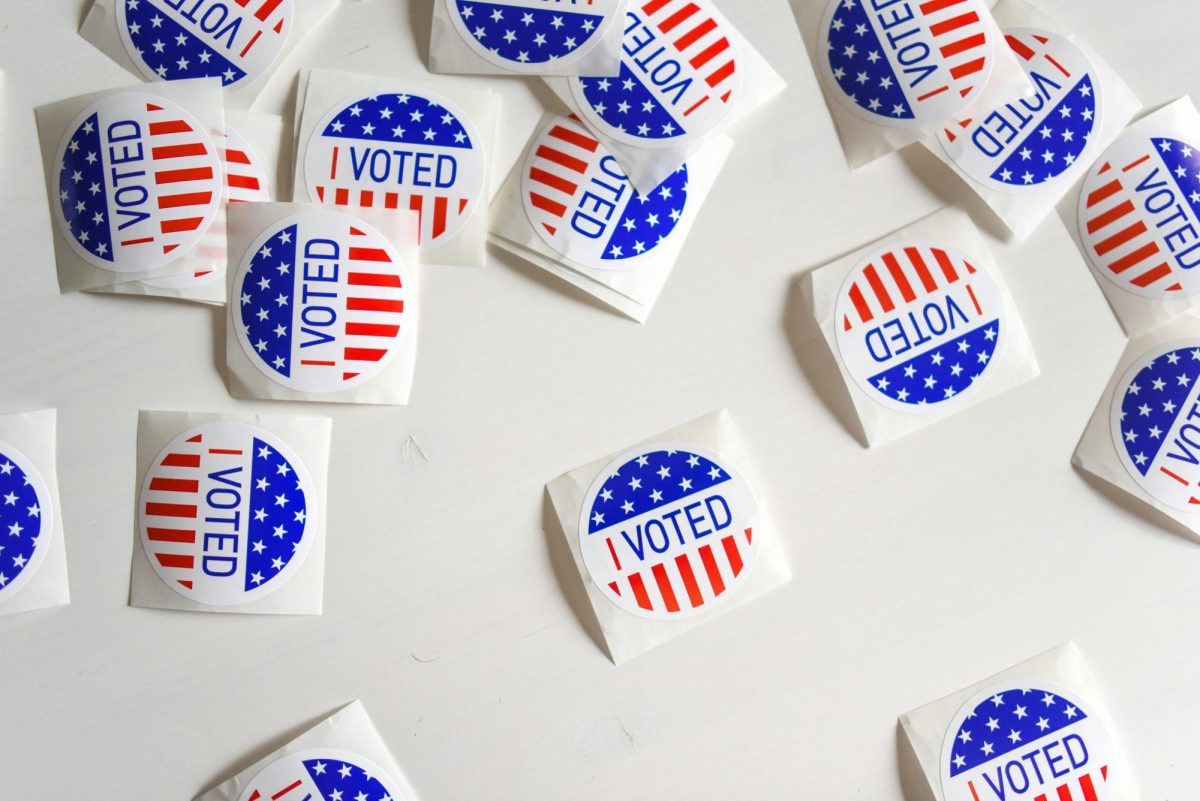
Over the past few months, if you’ve scrolled through Instagram, TikTok or even Youtube shorts, you have probably seen a video of Zohran Mamdani speaking emphatically about his frustrations with the state of the US government/economy and his plans to address it, at least in New York. Elected mayor of New York City (NYC) this past week, Mamdani’s victory can be attributed largely to his active social media presence and interaction with content creators, not just across the country, but around the world.
According to the New York Times, “…Mr. Mamdani slid onto the social media feeds of Gen Z New Yorkers. He jubilantly crisscrossed boroughs, hitting beaches, road races and food stalls in a way that made people want to join in.”
Raised in Kampala, Uganda, Mandani and his family moved to NYC when he was seven years old. He would attend Bowdoin College for Africana studies and minor in government, but aside from political activism and commentary, he didn’t have a political career to fall back on/bolster his campaign for mayorship. Additionally, he didn’t become a naturalized American citizen until 2018, setting a previously unheard of political precedent. However, this isn’t the only precedent he’s set.
Mamdani’s campaign strategy was remarkable for a multitude of reasons, but at the forefront of importance was his significant reach. Because he reached out to influencers and participated in interviews, trends and more on social media, he was able to get name recognition amongst Gen Z voters while also spreading his message, one that seemed to captivate and resonate with young voters across the globe. He got all of social media talking about him, for better or for worse, and won his campaign for mayor of New York City with a sweeping 50.4% of votes against Cuomo and Sliwa according to The New York Times.
This is a strategy that our country will likely see more going forward, especially as individuals from younger generations find themselves running for political and government positions. Gone are the days of door-knocking in neighborhoods and strategic placement of campaign signs and posters as the way to spread the word. Today, when one seeks to appear personable and form a personal connection with voters, the only thing required is a screen and a compelling message.
While the internet can definitely help make the political world more accessible for younger generations, it’s also important to keep in mind that at the end of the day, these people running for office or government are still strangers campaigning for positions of power. Social media can often cause people to form unhealthy attachments to influencers–a phenomenon known as the development of ‘parasocial relationships’–which can lead to people becoming overly trusting of these individuals just because they agree with one of their talking points or identify with their story.
Parasocial relationships can be harmful as it is, but they can be especially dangerous when the person you’re ‘stanning’ is someone campaigning for a position of power in local, state or even federal government. Like anything else related to politics, make sure to do independent research and keep yourself well informed with unbiased information before making important decisions like voting.