






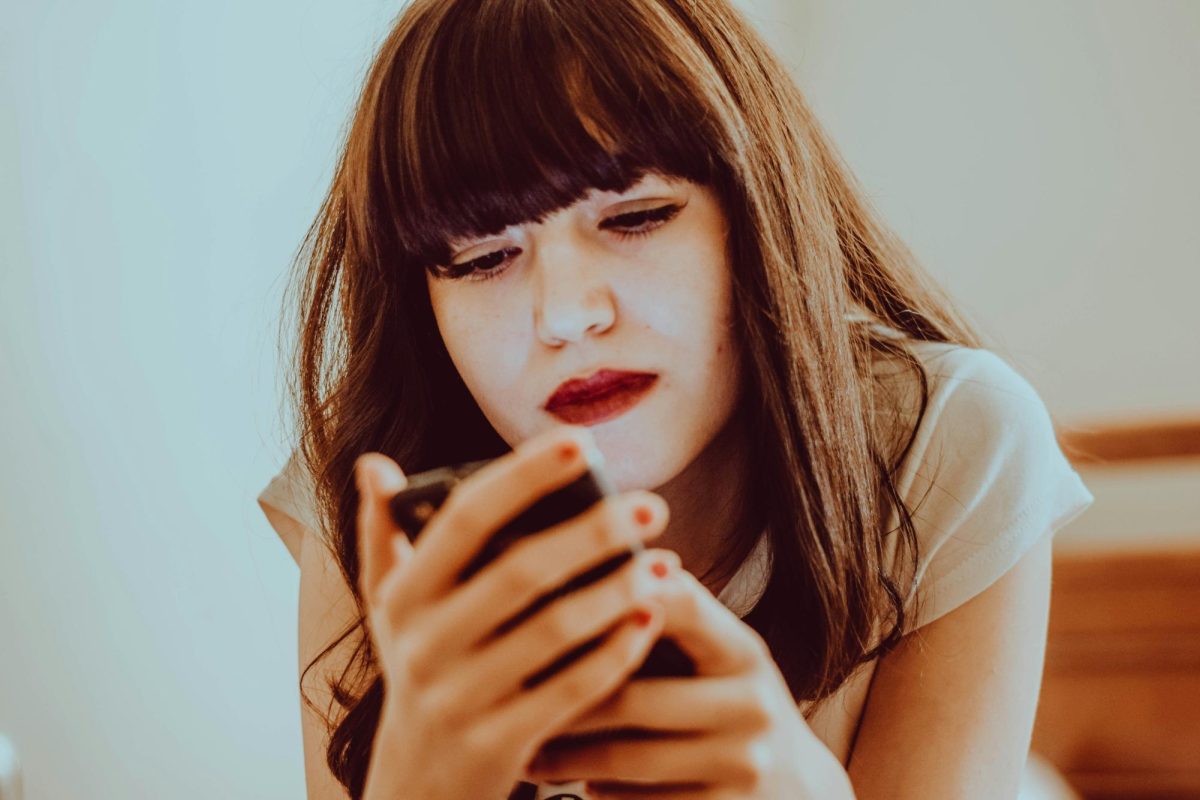

























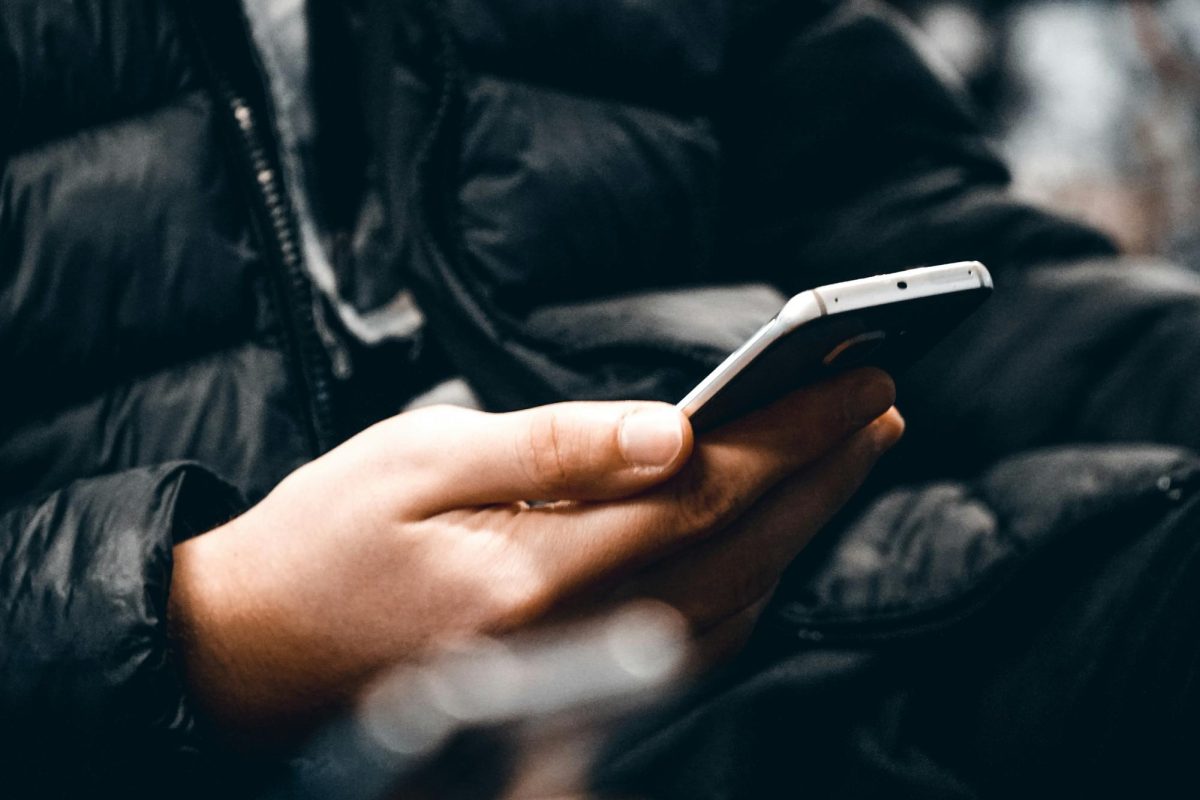
Where is your news coming from? This may seem like a very adult question. I mean, why would any teenager need to worry about choosing the most accredited news sources to read from when they can simply open any one of the social media apps on their phone and scroll to catch up on current events?
While it may be a convenient option, social media may just be the most unreliable news source available to the public. Content creators often embellish or bend the truth of news they’re conveying to better align it with their platform and draw in viewership. Some individuals may disagree, but it’s a simple fact that these online personalities don’t owe the public 100% accurate and up-to-date information; they exist to create entertainment, and that is, for the most part, what they are doing. It’s our job as viewers to be able to filter the information we’re presented.
Even when individuals online have the best intentions, misunderstanding and the subsequent spread of misinformation is unavoidable, especially with the sheer amount of information that’s constantly being shared. Take the recent photos of apartment complexes in Russia that were shared during reports of record winter storms around the world these past few weeks, wherein the buildings appear to be almost completely submerged under dozens of feet of snow. These photos circulated around the internet, gaining massive popularity for their crazy yet believable appearances, and would even make their way into a selection of other photos displayed on weather broadcasts from Yahoo and Facebook. A few days after these photos made their rounds, it would be discovered that they were actually fabricated using hyper-realistic AI image generators (mainly Grok).
To the untrained eye, these photos appeared legitimate and were subsequently taken at face value, even making appearances on legitimate news websites that are typically very careful with filtering through the photos they display. If this misinformation managed to slip through the hands of a professional news team, imagine the sheer amount of misinformation that’s spread on social media platforms daily, regardless of intent.
Using social media as a substitute for actual news reports is not a behavior limited to teenagers. People of all ages have turned to social media for updates on current events, and not just for sake of convenience.
According to the American Psychological Association, psychologists are noting “an increase in news-related stress” amongst those that regularly consume news reports and other related media. The act of scrolling through news content on social media apps is not only fast and allows for easy consumption, but the action also provides users an addictive dopamine rush they might find themselves becoming dependent on.
So what are we to do, exactly? How are teens supposed to find informative and accurate news articles that cover the current events applicable to them and their environment? Well, there’s no universal news platform that works for everyone, but there are definitely steps that can be taken to find yours.
The first step to take is to check a potential news source for bias and reliability, which can be done using tools such as Media Bias/Fact Check (MBFC). If you’d prefer a neutral form of reporting or a platform that reports from multiple political and ideological points of view, those can also be found using MBFC.
A second and equally important step is to research who’s funding the newspaper or platform. This can influence everything from potential bias to the news being covered, as these factors may be influenced by corporate interests.
Lastly, choose the type of news platform that works best for you and your habits. If you prefer quick updates, you might want to download a news platform that gives those to you, and if you prefer reading more developed news articles or video reports, you should seek out a platform that provides just that.
When all is said and done, make sure you know where your information is coming from. We’ve all had teachers tell us not to use Wikipedia as evidence for a writing assignment, and the same mindset should be applied to our daily lives. When we consume informative, accurate and up to date information, we not only educate ourselves but also help to stop the consumption and spread of misinformation.