























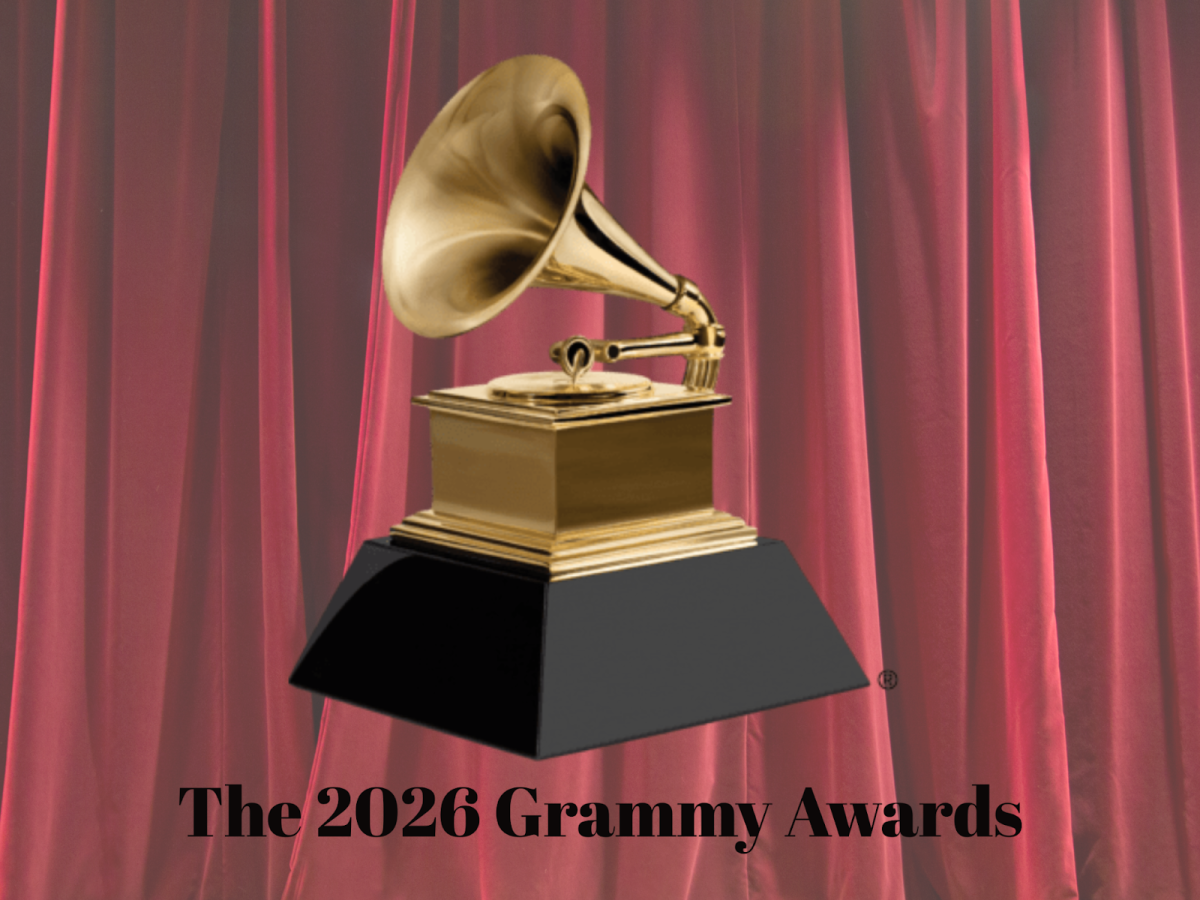
Every year, the world comes together to celebrate the work of musical artists in one famous awards ceremony: the Grammys. Fans get to witness special performances from their favorite artists, and a select few of these artists are recognized in a ceremony wherein they receive a ‘Grammy’ award and get the chance to make a speech. However, while this prestigious event is held in high regard by musicians and listeners everywhere, it’s also no stranger to controversy, and this year’s ceremony was no exception.
Over the past few decades, the Grammys have faced controversy for a myriad of different things. From disgruntled fans complaining about poor judgement calls on awards to critiques of outrageous and provocative performances, the awards ceremony is often a hot topic of debate. In recent years, however, discussion around this event has taken a more serious turn.
During the 2020 Grammy nominations, for example, artist Tyler the Creator told Bustle magazine that he believed his award to be a “backhanded compliment.” He had been nominated for and awarded the Best Rap Album trophy for his chart-topping album IGOR, even though it wasn’t specifically defined as a rap album. By consistently placing grammy nominees that are people of color into ‘rapper/urban’ categories, the music industry is perpetuating stereotypes that may prevent artists from branching out to other genres out of fear they won’t be recognized or awarded for their work.
While racial stereotyping in regard to Grammy nominations remains a perpetual issue, this year’s award ceremony took an arguably more serious turn. Given the recent increase in ICE activity in the United States and the subsequent pushback from the public against this government agency, public figures also seek to make their voices known, and what better time and platform to do this than during an awards ceremony that most of the world is streaming.
Many of the music artists in attendance at the 2026 Grammys were sighted wearing ‘ICE Out’ pins in protest against the federal agency and its efforts. During his acceptance speech, Puerto Rican artist Bad Bunny spoke directly about his stance on the matter.
“We’re not aliens,” he said on stage, captured by U.S. News and World Report. “We are humans and we are Americans.”
Several other celebrities also used this year’s Grammys ceremony to make a political statement, and discussion was not limited to ICE. Comedian and producer Trevor Noah, this year’s host of the Grammys, came under fire for a joke he made associating president Donald Trump and Jeffery Epstein.
Trump denounced this, declaring Noah a “talentless…MC” and threatening legal action over social media platform X, but this has since only roused further support for Noah and others taking a stance against Trump’s anti-immigration policies.
While some individuals may view this year’s Grammys ceremony as a group of celebrities simply trying to maintain their political correctness by espousing the views of the general public, the event also serves as an important reminder of our rights as US citizens. We have the right to free speech and assembly, and should make sure to use these rights to take a stand for the things we believe in.