




















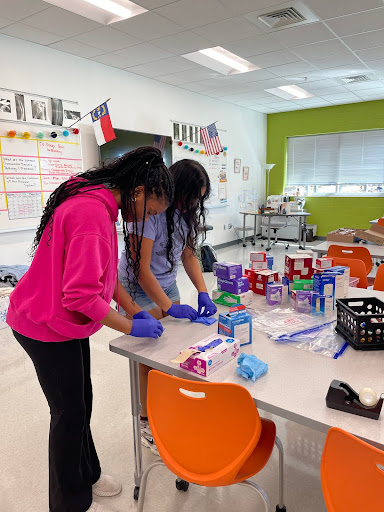
At FVHS, students are stepping into leadership roles that extend beyond campus through “The Ready Kit,” a community-focused initiative created by some students as part of the FVHS HOSA-Future Health Professionals chapter to improve access to life-saving first aid resources.
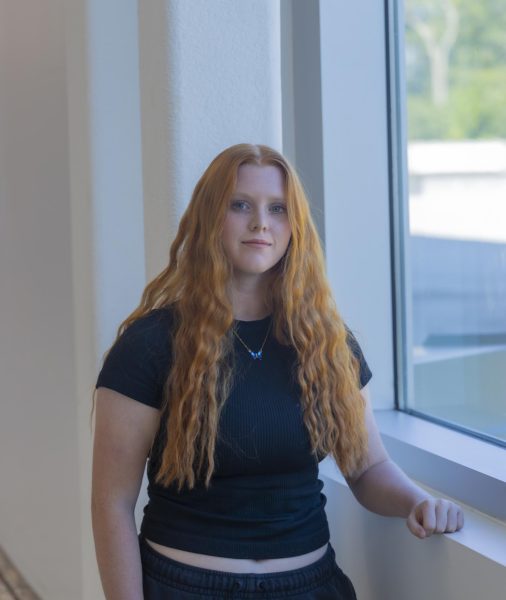
The project is led by two senior HOSA co-presidents, Kenadi Johnson and Sana Sheth, who were inspired to act after noticing gaps in emergency preparedness within their own school and beyond.
After witnessing a red emergency-school alert indicating a medical emergency requiring medical attention-at FVHS,
Johnson said she was surprised by how few supplies were available in the school’s first-aid bags.
“After seeing a red emergency at school, I was shocked at the lack of materials in the bags, which made me realize how limited access to first-aid resources is in our community,” said Johnson.
The leaders emphasized that placing Ready Kits in everyday spaces could drastically improve outcomes during emergencies.
“When injuries occur, the people at the scene can drastically change survivability by having the right education and resources available,” said Johnson.
Each Ready Kit is enclosed in a clear pouch and includes a tourniquet, five pairs of latex-free gloves, alcohol prep pads, gauze sponges, gauze rolls, bandages, custom FVHS HOSA labels and an instructional video to ensure proper use.
Johnson explained that the initiative faced early setbacks when the kits could not be implemented within the school.
“The school board shut the program down right before launch, so advertising and reaching the community businesses has become our biggest challenge,” said Johnson.
Sheth said the project was also motivated by concerns about violence and the inability to always prevent emergencies.
“We started The Ready Kit because we see the gun violence happening around us and wanted to help prevent more deaths in a way that was within our control,” said Sheth.
She added that access to proper first-aid tools, especially tourniquets, can be critical in severe bleeding situations.
“Without a tourniquet, someone with a major wound could bleed out before help arrives, which is why these kits are so important in public spaces,” said Sheth.
While recruiting businesses has been challenging, the student leaders remain committed to expanding the program’s reach.
“Some businesses already have small first-aid kits but don’t realize how important it is to have one that includes a tourniquet,” said Sheth.
Both leaders believe the initiative reflects the mission of HOSA and the role students can play in community health.
“This project shows how ordinary people interested in healthcare can make a real impact in their community,” said Sheth.
For Johnson, the goal of The Ready Kit is to encourage action and education.
“Doing something is better than doing nothing because even a few prepared minutes in an emergency can save a life,” said Johnson.
The Ready Kit initiative continues to seek donations and sponsors to improve kit quality, expand distribution, and offer optional Stop the Bleed certification opportunities, reinforcing the chapter’s message: “Together We Prepare.”