





































January 2026 is the milestone of “gene-resurrection,” which is being named a top breakthrough technology. Conservation genomics is a new emerging field of research that harnesses the power of genomic technology to preserve species, habitats and ecosystems. This allows scientists to study ancient functions and potentially apply them to modern medicine or agriculture. Both genetic and genomic approaches are used to inform decision-makers, guiding conservation efforts and natural resource management.
A genetic rescue was successfully implemented for the Florida panther. The Florida panther is a subspecies of the mountain lion, and their population consisted of 20-25 individuals in the wild during the late 1990s. High levels of inbreeding rendered the remaining population unlikely to successfully reproduce. Eight white mountain lions from a Texas subspecies were introduced in combination with other conservation efforts, and today, up to 230 Florida panthers exist in the world.
DNA is no longer just a tracking tool; it is a “biological time machine” and critical tool for ecosystem resilience.
Scientists say that using genetic sciences offers new ways to help endangered species through gene editing and cloning. It is easier now for scientists to study the ancient remains of an animal, map its genetic information and then recreate it in bodies of modern beings.
For example, an organization called Revive and Restore, has been trying to help endangered black-footed ferrets. Scientists cloned new ferrets from decades-old cells that had been kept in a freezer. As a result, they have enough members to breed with their own resurrected relatives, according to MIT Technology Review.
We’ve learned that nature isn’t just a collection of animals, it’s a high-tech survival system. When we use DNA to save a species, we aren’t just saving a cute animal, we are repairing Earth’s life support.
FVHS sophomore Lakshya Bobbili said, ”I think it is important for species to be protected like this [by the use of DNA], as every species adds to the biodiversity of our biosphere.”
Dire wolves were brought back through genetic engineering. With preserved DNA, Colossal scientists deciphered the dire wolf genome, rewrote the genetic code and matched it with the common gray wolf. Using domestic dogs as surrogate mothers, they brought Romulus, Remus and their sister, Khaleesi, into the world creating three separate beasts whose live gene pool long ago vanished.
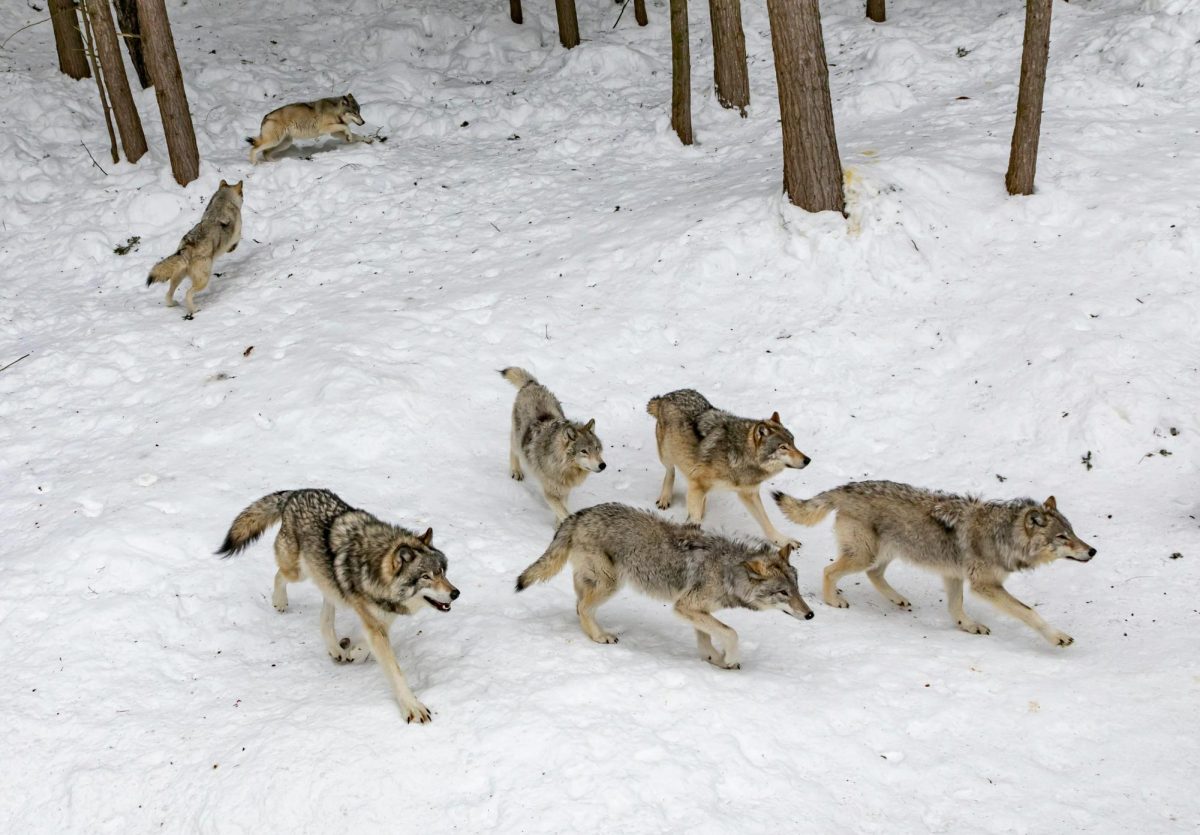
Another example of endangered species being brought back that helped its habitat is the wolves in Yellowstone. On Jan. 12, 1995, wolves returned to Yellowstone, 50 years after their extirpation, which means the complete removal or destruction of something. The absence of the wolves caused ecological imbalance, as the wolves are a keystone species, helping to regulate elk and deer, which allows vegetation like willows and aspens to recover, which in turn benefits other wildlife living in the habitat.
Endangered species are often the first to react to environmental toxins or climate shifts. Their decline is a warning signal for humans. In other words, helping one endangered species, helps the species around it.