




























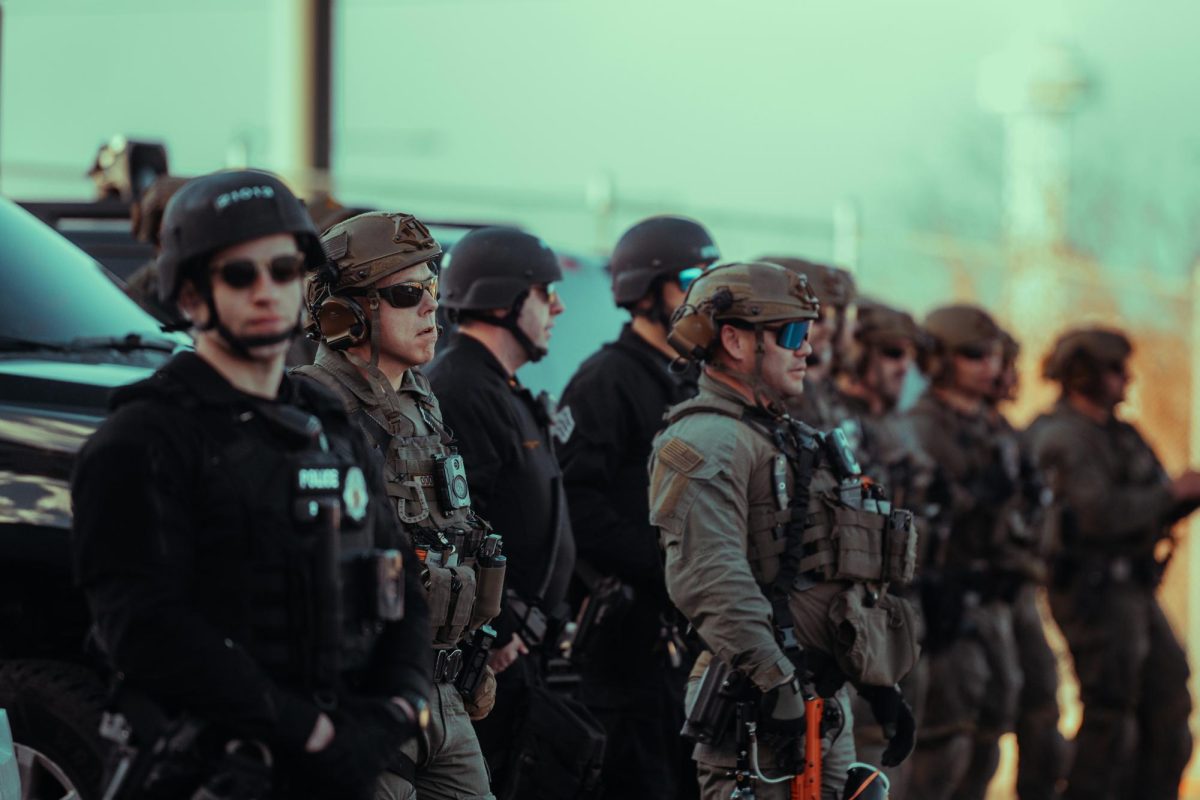
Immigration and Customs Enforcement (ICE) has officially entered North Carolina for their raids. Their primary focus was on the city of Charlotte last weekend before moving into Raleigh Nov. 18 and 19.
Whilst in Charlotte, the federal agents detained more than 200 people in just three days. According to reports, 44 of those detained had previous criminal records for charges like DUI’s, assault or trespassing. A large number of the remaining detainees were taken into custody for immigration related issues. This has caused a lot of unease in the community as parents are hesitant to send their children to school.
Even some naturalized citizens expressed concern for their families safety.
Over 30,000 students were reported absent the Monday after the raids, which is about 20% of Charlotte’s district enrollment. Several schools saw their attendance rates drop down to as far as 34%, marking one of the lowest drops in attendance the district has seen in years.
Schools aren’t just doing nothing to support families though. Many have been made aware of the situation of their students and have been given proper measures to prepare.
Junior Jillian Walden said, “My mom teaches elementary school and they sent out a warning to teachers to be ready to send the work online to students who don’t feel safe going to school because of the current ICE arrests in the area. This situation could create an environment of stress for kids and faculty, having to be worried about if ICE is going to show up.”
On their way to Raleigh, ICE hit several other cities across North Carolina, including Cary and Durham. CBS 17 reported that ICE was outside a Home Depot in Cary and they also said that ICE was seen making a detainment on a Ring camera in Durham.
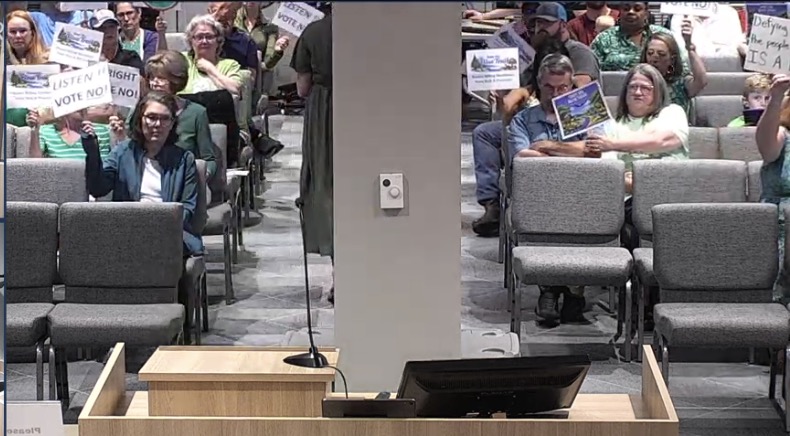
As ICE headed to Raleigh, thousands of protesters gathered in Moore Square. The protest was said to be predominantly peaceful, all demanding that federal immigration raids end in North Carolina. They marched down the streets, yelling different chants against ICE.
Community officials have encouraged people to rely on official updates for news instead of rumors that are going around. WRAL put out a segment to address bias on the subject and to bring the true facts to light. Community organizations have also stepped up, providing hotlines and fliers listing citizens rights in multiple languages. Volunteers have also been stepping up, providing groceries, childcare and transportation for others.
Many people don’t completely understand ICE’s reason for entering North Carolina, and these protesters are not alone.
“I don’t necessarily think they should be here. I think North Carolina is not that bad immigration wise. We aren’t near any borders, unlike California or Florida, and I really don’t think we are that important because we aren’t one of the border states,” said Walden.
Despite the difference of people’s opinions on the matter online, social media has proven its ability to outreach and spread information. Over the past week, posts on social media platforms like Instagram and TikTok have circulated warnings, sightings and footage of what people have seen. While the posts are mostly aimed to inform, some can be misleading and provide false information.
Walden said, “I think social media is important for spreading awareness because it really helps people to know what’s going on, see what actions are being made, where this is happening and spreading awareness in general to everyone. Their posts are quick to watch, easy to access and quicker than the news because with news you have to find a news station. But with social media, it will basically just be there at your front door. You’ll know what’s going on, you’ll be informed, but it also can cause some misleading information. As long as the information is fact-checkable and accurate, I think it’s really helpful.”