































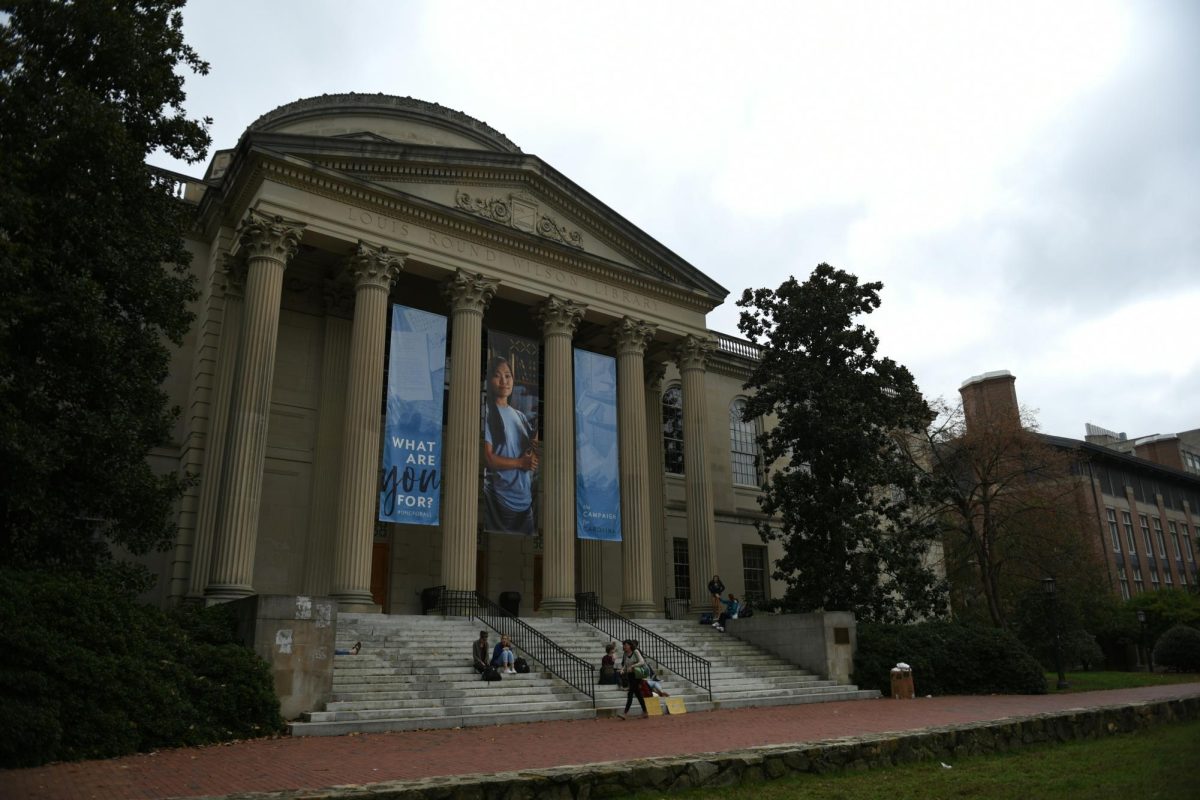
A 3% increase in tuition costs for in-state students who attend a UNC system university beginning in the fall semester of 2026 has been finalized. This is the first in-state tuition hike for students in nine years. There may also be an increase in fees, housing and meal plans for students. Out-of-state tuition was raised by 10%.
Senior Brynn Ellis wanted to stay at an in-state college so she could be close to her family. NC State is one of her dream schools, and she is interested in their academics and the business program.
Ellis said, “I wanted to stay close and stay mostly because of tuition. I want to stay close to my family, but there’s such a significant difference between the in-state tuition versus the out-of-state tuition.”
This worries many students because they may not be able to afford college. NC State’s undergraduate tuition per year costs $18,473 for North Carolina residents and $43,996 for out-of-state residents as of the 2025-2026 school year according to NC State University. UNC Charlotte’s 2025-2026 undergraduate tuition per year costs $3,812 per year for in-state undergraduate tuition and $19,065 per year for out-of-state according to the UNC Charlotte University. This of course does not include the fees for books or housing.
This will ultimately cause a rise in student debt. There are already many adults struggling to pay off their degree.
According to the Education Data Initiative, “42.5 million student borrowers have federal loan debt.” They explained that the average student will borrow $31,960 for a bachelor’s degree.
“If anything, I’m just going to try to apply for more scholarships and get more financial aid if I can. Other than that, there’s not really much that I can do. [NC State] is still one of my top choices,” said Ellis.
The raise was likely caused by inflation and the fact the UNC system is facing a tighter state budget. The nine-year freeze on in-state undergraduate tuition has also ended. This increase in tuition is supposed to help support student services so there is more mental health support and advisers for students. However, the effects will be unknown until the semester starts.
Ellis reflected on what she hoped the schools would do with the extra money.
“One of the things that I was slightly worried about was the class sizes, so hopefully there’s still really good attention to their students and teachers focus on that. I [would] love a school that has a lot of events and things that give back to the community,” said Ellis.