























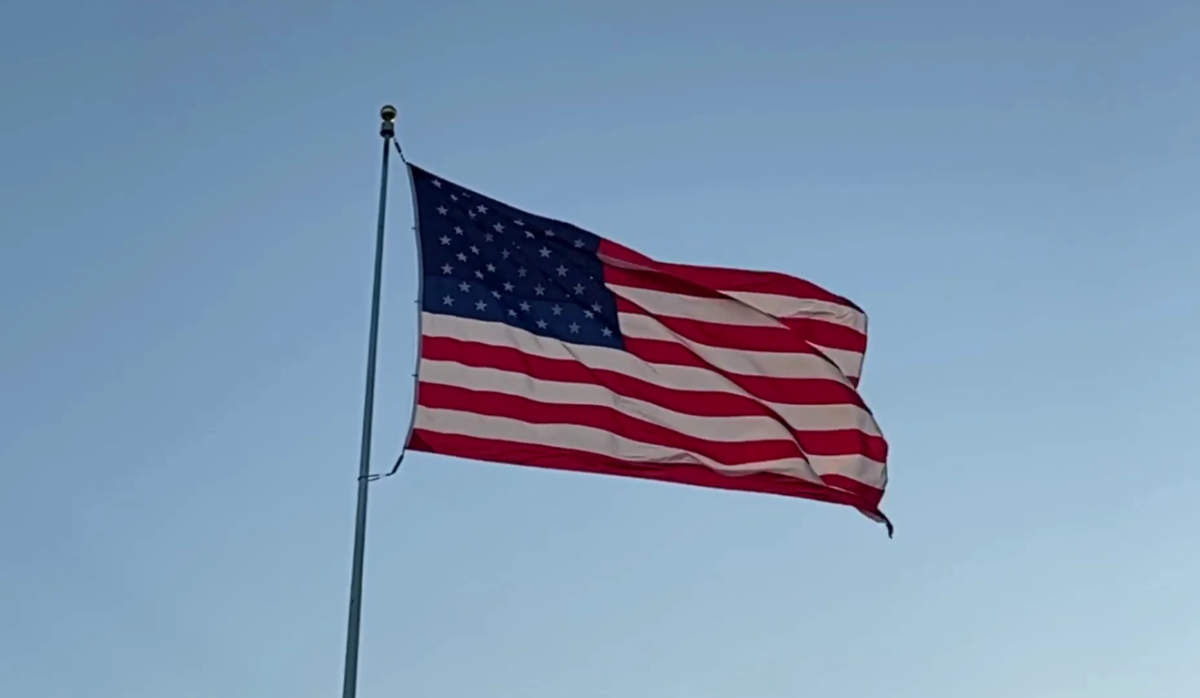











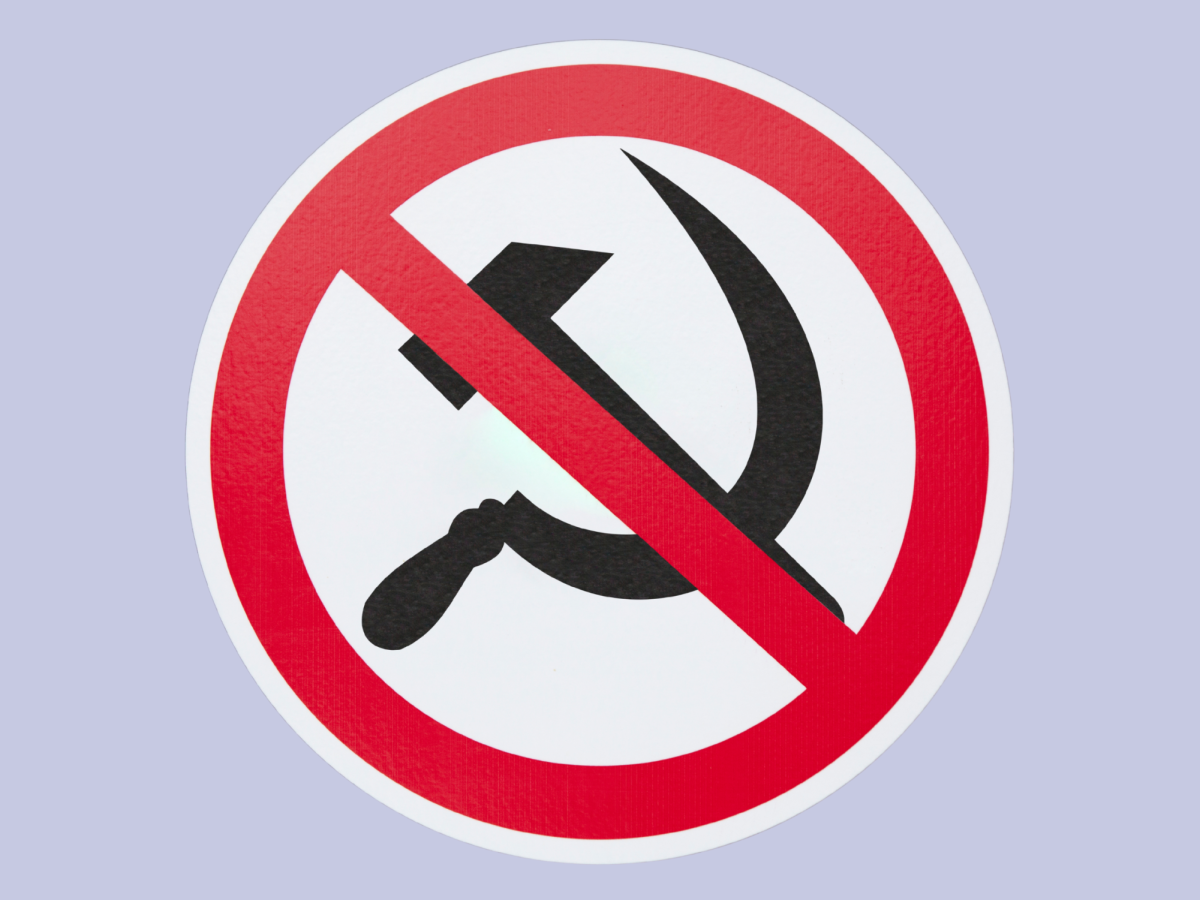
“This week, our Nation observes Anti-Communism Week, a solemn remembrance of the devastation caused by one of history’s most destructive ideologies.” Those were the words of President Donald Trump in a proclamation he made on November 7, 2025, the anniversary of the Russian Revolution and just days after democratic socialist Zohran Mamdani was elected mayor of New York City.
The timing of this announcement is hard to ignore. The U.S. was in the midst of the longest government shutdown in our country’s history, which had left thousands of workers without pay and thousands more struggling to navigate air travel and access basic federal services. In the middle of this crisis, the president has chosen to highlight communism, an ideology that, while responsible for enormous suffering in the past century, only five countries associate themselves with today.
By declaring that “America rejects this evil doctrine,” Trump is echoing the kind of McCarthyist speech that was generally believed to have faded decades ago. It’s true that communist regimes have been linked to some of the highest death tolls in history. However, it’s also true that this would occur because these governments would often default to tyrannical, authoritarian government structures, as politicians sought to consolidate power under the single-party system these countries employed.
At its root, communism and adjacent Marxist ideologies are more so a reflection of public sentiment than anything else. In times of political uncertainty and unrest, as well as periods of economic instability, some individuals find themselves turning to communism’s promises of social equality and universal income as a form of escapism. Radical ideologies—whether communist, anarchist, or otherwise—often share a rejection of capitalism and authority, but they remain far outside of mainstream American politics.
Trump’s second term has been anything but calm. From online controversies to protests like October’s ‘No Kings’ demonstrations, his presidency has faced continuous pushback. His proclamation may be framed as honoring victims of communism, but it also works as a political signal, a reminder that straying from capitalism and/or the two-party system is to be painted as a threat to American freedom.
The irony is clear. At a time when democratic governance is strained by shutdowns and public frustration, our president’s call for liberty rings hollow. A government ‘for the people’ must first serve the people, and a declaration against communism doesn’t serve as anything but a distraction from the larger, more relevant issues our country is currently facing.