

































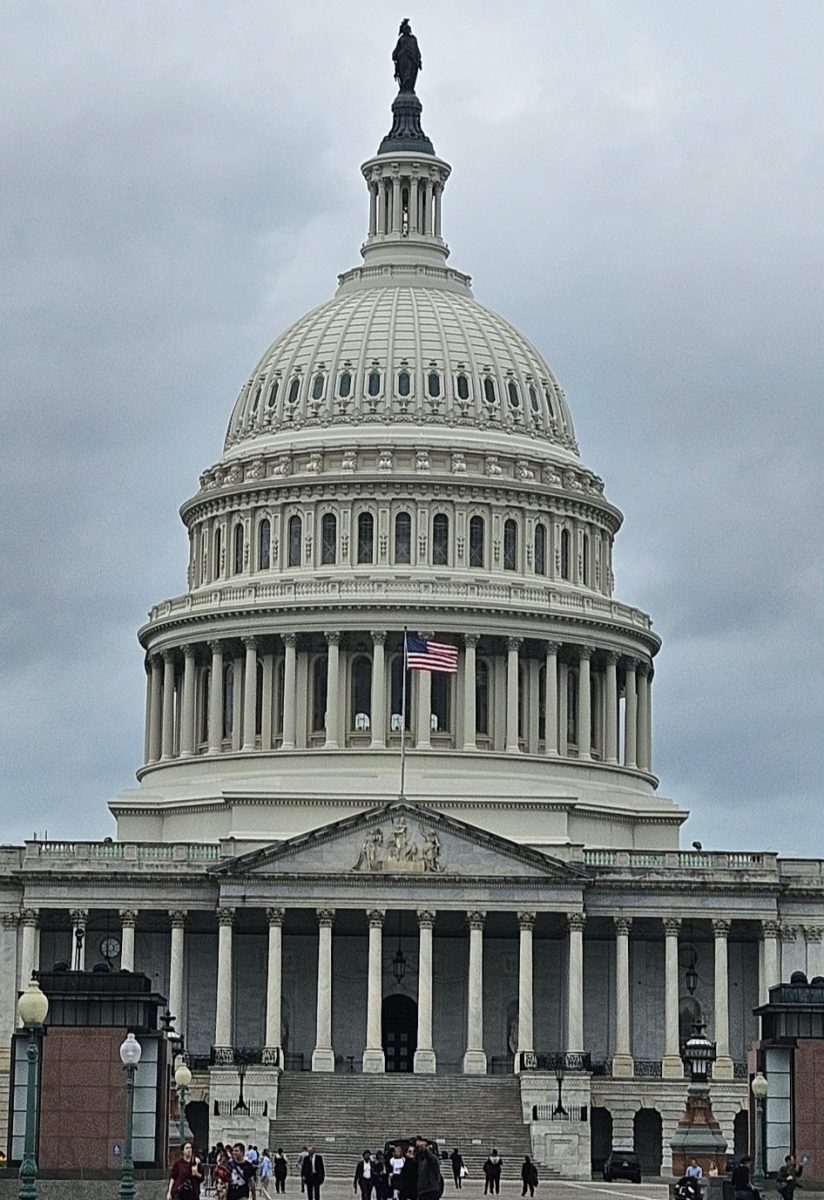
The government shutdown has been going on for over five weeks now causing millions around the country to face unexpected challenges. When the shutdown first began, it was not expected to last very long, but weeks later, there seems to be no end in sight. This has been the longest government shutdown ever recorded.
Across the nation, federal employees remain without pay, and important agencies are experiencing large delays. Programs that provide important assistance, such as the Supplemental Nutrition Assistance Program (SNAP), are also starting to be affected, with concerns rising about how long support will continue for families who rely on it.
Sophomore Valorie Yates said, “I really didn’t think that the government shutdown would last very long, but, as we know now, it has. I don’t really know when it could end now because it could end next week or it could be another couple of months. I wouldn’t be surprised if it kept going for longer. But I think it could be bad because there are a lot of government people and people in general who aren’t getting paid. There are also a lot of people who need the SNAP money that won’t be able to get food. They could go hungry because they rely on the money that they aren’t getting.”
Yates’ concerns are similar to several Americans who are beginning to feel the effects of the shutdown in their communities. From delayed government services to funding cuts, the prolonged shutdown has caused effects felt by many.
“I think it will definitely affect a lot of things because if people aren’t getting paid then there is nothing that is going to be pushing them to actually do their job or do their job well, so these people might start slacking off because why would they do their job if they’re not getting paid for it. They may also start quitting to get a different job which would cause a need for workers in the government,” said Yates.
While negotiations continue to happen in Washington, there is no clear end date in sight. The longer the shutdown lasts, the higher the chance of more damage. This doesn’t only affect government employees, but also families, businesses, and essential agencies across the nation.