






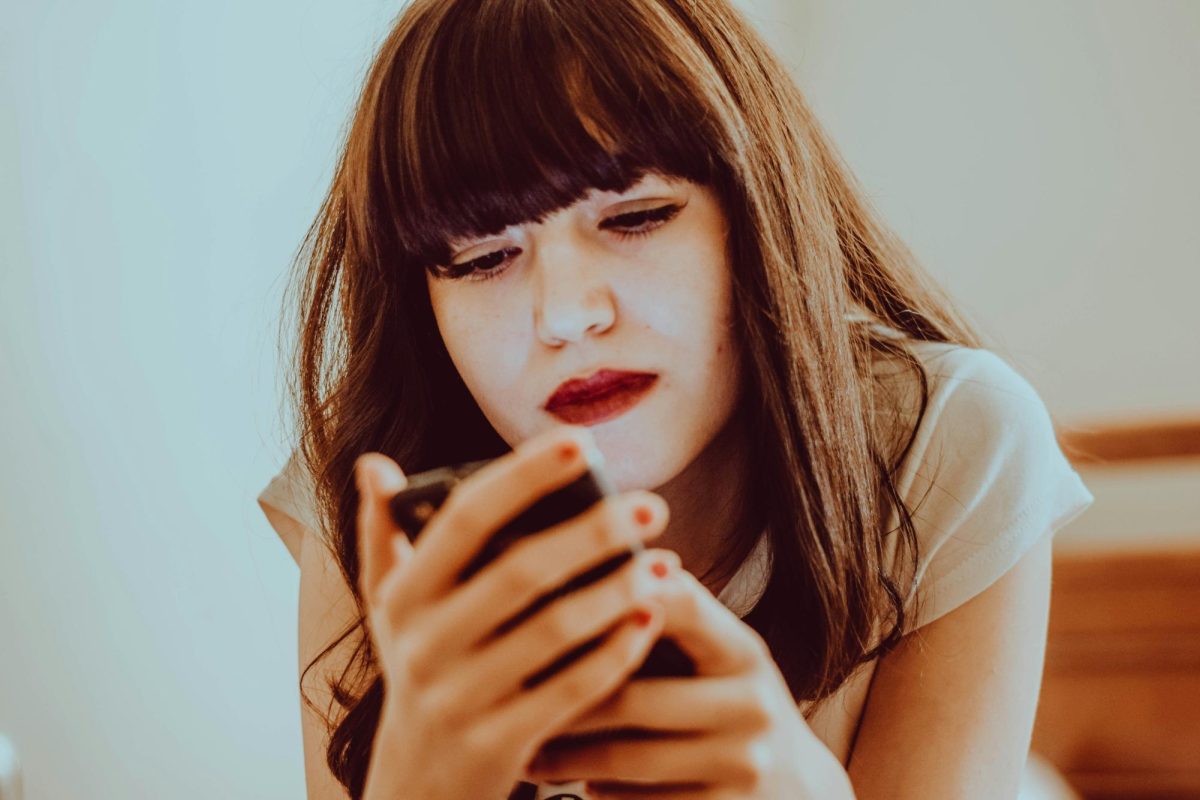

























Social media influencers are everywhere today. From YouTube to Instagram and TikTok, they shape what we wear, what we buy and even how we think. For many teens, influencers have become the new celebrities. They seem cool, successful and confident, the kind of people everyone wants to be like. But are they actually good role models, or are we just caught up in their highlight reels?
According to the Times Of India, “Influencers are often perceived as role models and trendsetters, particularly among young people. They are often seen as embodiment of success, popularity and beauty.”
This explains how influencers are not just entertainers, they are also shaping how people see success and beauty. The problem is that what we see online is not always real. Most influencers post only the best parts of their lives, making their audience believe they are always happy or perfect. That’s why so many people, especially teenagers, end up comparing themselves and feeling insecure.
Still, not all influencers are negative examples. Many use their platforms to spread awareness about issues like mental health, body positivity and self-love. They share real struggles, talk about their own failures and try to connect with their followers in an honest way. Influencers like that can make people feel seen and more motivated to improve themselves. When used the right way, influence can be powerful in a good way.
As the NSPCC explains, “Influencers can be good role models for children, encouraging habits such as inclusivity and good self-esteem. But, they can also have negative effect, encouraging unsafe or unhealthy behaviours and views.”
This shows that there’s a thin line between good influence and bad influence. An influencer who promotes confidence might inspire someone, but one who promotes unrealistic beauty standards could easily do harm. It really depends on what they stand for and how they use their platform.
A study published in “Frontiers in Psychology” in 2024 found that “influencers who focus on beauty topics are perceived as role models and followers copy them.” This shows how easily people can start imitating what they see online, whether it’s fashion, behavior, or lifestyle. While that can be positive, like learning confidence or trying new hobby, it can also lead to toxic habits like over-spreading or unhealthy dieting just to look like someone else.
There’s also a trust issue between influencers and their audience. Many promote brands or products for money, and sometimes they don’t even use the things they advertise.
A 2024 survey by WARC said, “Young men aged 18-34 are looking to engage with positive influencers, but there is an issue of trust, with only about 17% trusting influencers on mental-health issues.” This proves that while people want good role models online, they also know that not everyone on social media is genuine.
In the end, influencers can be both good and bad role models. Some influencers use their platform to inspire, spread positivity and show their real life without filters. Some influencers make everything about fame, money and perfection. As followers, it’s up to us to choose who we look up to wisely; just because someone is popular online doesn’t mean they deserve to be our role model. Maybe the best influence is not from someone with millions of followers, but from people in our real lives who inspire us to grow, stay kind and be ourselves.