


















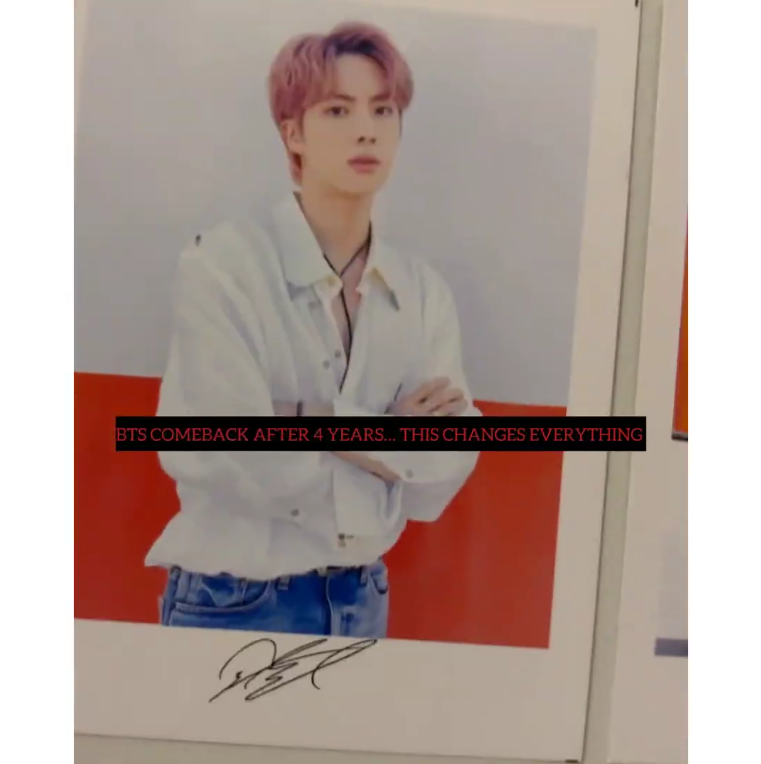



If you’re a regular user of any social media platform, chances are you have your fair share of favorite creators. Whether it’s their sense of humor, relatability, creativity or any number of other positive characteristics that draws you to their content, it’s not unlikely that you’ve formed a sort of bond with them, the same way you would with a favorite author or movie director. However, when exactly do these feelings of admiration pass over to parasocial ideation? And is there even a definitive way to tell when that happens?
First of all, let’s get the definition straight. Merriam-Webster’s dictionary defines ‘parasocial’ as “relating to or involving a [strong] one-sided emotional connection with someone (especially a celebrity or fictional character) whom one does not know personally.”
If an individual believes a celebrity, creator or character to be akin to a friend, partner or even a family member, this is a clear sign that they’ve developed a parasocial relationship with said person or character. While this definition is fairly straightforward, many people, especially those online, have been overusing the word ‘parasocial’ to describe normal feelings and social interactions, something that has caused misunderstanding and confusion amongst internet users.
For example, if you’re watching a video about someone’s health journey and they reach a significant milestone, you might feel incredibly happy; if someone posts about grieving a lost loved one, you might feel sorrow on their behalf; and if someone posts an uplifting video when you don’t feel your best, you might leave them a comment thanking them for their positivity. A lot of internet users have started labelling these feelings as ‘parasocial’ despite the fact that these are normal, healthy expressions of human empathy.
This mislabelling of individuals as acting ‘parasocially’ when they aren’t can lead to unnecessary feelings of guilt and emotional confusion. Combined with the stigma associated with ‘cringe culture,’ the fear of being accused of speaking or acting parasocially can drive people away from enjoying media or pursuing online opportunities that might benefit them in the long run.
When someone is genuinely expressing parasocial beliefs, however, it may be best to talk to them about their feelings or reach out to another trusted person to try to intervene. Although many people with parasocial relationships can acknowledge that their relationships aren’t entirely real (there is a significant amount of cognitive dissonance involved in their inception to begin with), they can sometimes snowball into obsession, which can be problematic for all parties involved.
As explained by UCLA Health, “While a parasocial relationship may initially curb loneliness, it can eventually leave you feeling lonelier and more isolated than before. If your one-sided relationship starts to take the place of real connections and social interaction, it could be harmful to your mental health.”
If you ever find yourself feeling like you’re starting to develop a parasocial relationship with a celebrity, creator or character, try reaching out to others to talk about your feelings. Parasocial relationships often stem from loneliness and wanting to escape a lived reality, so grounding yourself through social interaction and being mindful of your media consumption can help you better understand and process these feelings in a healthy, more productive way.
All of this is to say that ‘parasocial’ is a term that’s being increasingly misused to describe normal online interactions. Parasocial relationships are nuanced and can be damaging for all those involved; this isn’t a descriptor that should be thrown around haphazardly. Make sure you understand the difference between basic human empathy and a parasocial interaction before making assumptions about others or even yourself.