









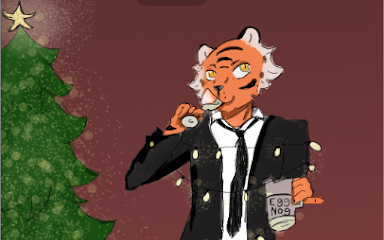
With an increase in relevance of digital and AI art, there has been a noticeable decline in physical art creation and appreciation. While it’s natural for artists to want to switch over to more popular art forms for convenience to bolster their career, it sparks concern if physical art is now being devalued as a form of expression. As a result of this decline, what does this mean for the art community moving forward?
The introduction of new technology usually brings with it new conveniences; it can be so easy and accessible to use these AI tools that many people don’t even actually utilize the technology to its fullest potential and just end up using it to complete a task quicker. While this seems logical to the average working person, it’s erraticating the important cognitive process of understanding how things come together to create a product one desires.
In the case of physical art, many people have taken advantage of the fact that AI and digital art can be produced faster than traditional art can. While western culture values this productivity and performance, it makes one wonder: Is trying to make art into a technological product actually hurting our understanding of traditional art as a whole?
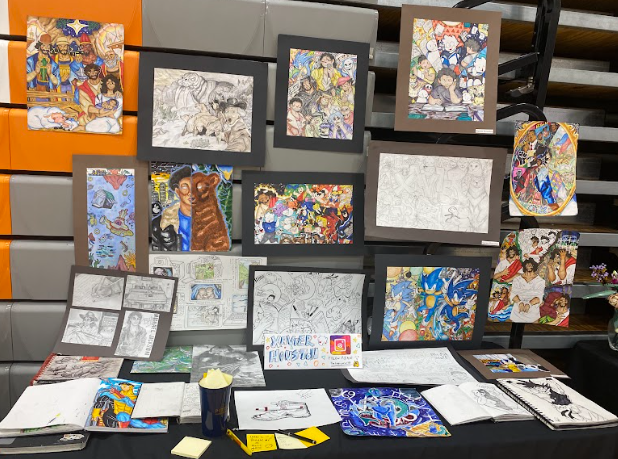
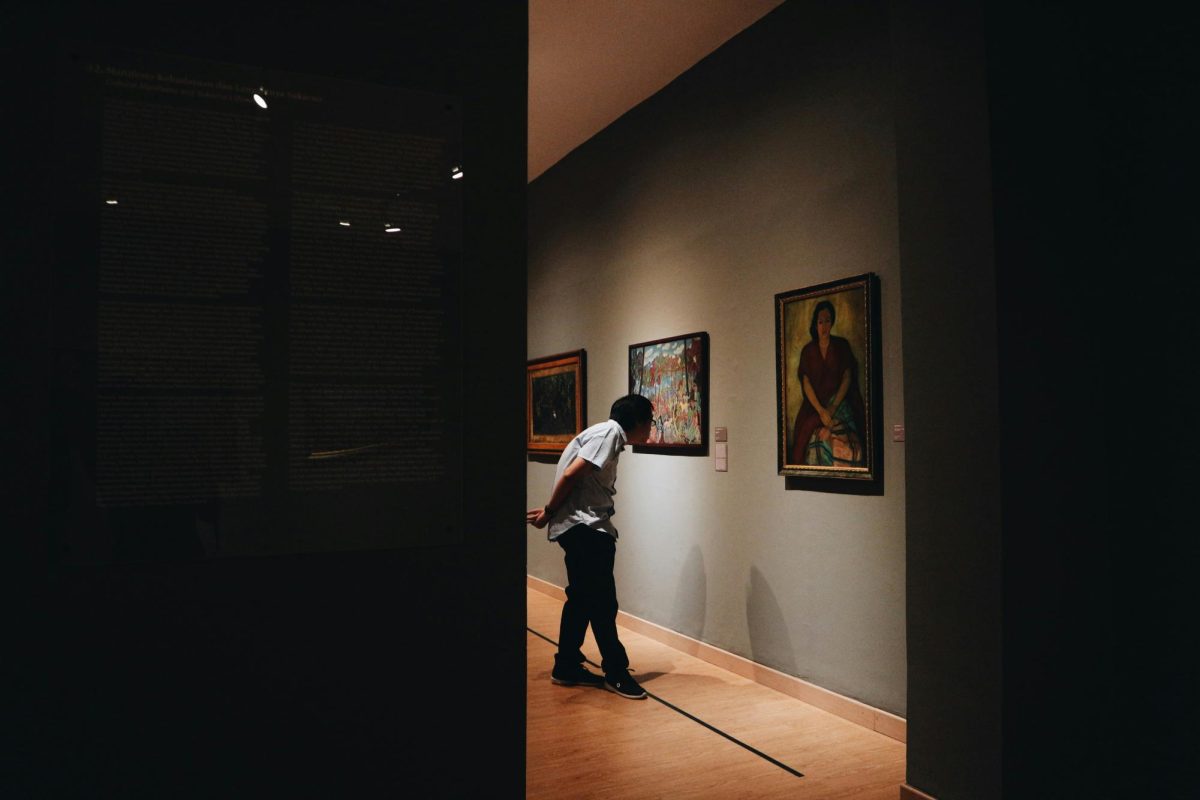
The importance of keeping traditional art alive and appreciated is rooted in the human need for variety in enrichment. Activities like visiting an art museum, looking through an art book or even talking to traditional artists are all ways that one can learn art literacy easily. Understanding the impact that traditional art can have on yourself and society is helpful for perceiving the world.
While there is an overwhelming wave of digital art sweeping throughout the creative community, the need to keep traditional art alive still prevails. While it may not be the most convenient, the process of creating something from nothing can have positive impacts on the artist and viewer alike.