


Many museums around the world house artifacts and cultural treasures that were acquired unethically through colonialism, war plunder or illicit antique trafficking. These artifacts aren’t just pieces that you can put in your living room as decoration or showcase them to the world; they hold stories and are the pride of the nations they once belonged to.
According to Shoshi Parks of Fodor’s Travel, in the past few years, museums in Europe and North America have been undergoing a process of decolonization, wherein they are returning some of their artifacts to the countries from which they were taken. However, not every prized object is on its way home. Attempts have been made to have several artifacts returned, but many institutions are delaying or just refusing to hand them over.
FVHS junior Ipsitha Karnam wants to be a museum curator and acknowledges that this is a sensitive topic.
“If the safety of an artifact is in question, I think it’s up to the country to decide whether to give [the artifact] up or not. Museums and governments ‘loan’ artifacts all the time. Archeologists and historians’ first priority is almost always going to be the preservation of culture and history, and they would know better than anyone where the artifact in question should go. I believe if the country of origin is in conflict and the artifact has been moved, then it is always open to return once its [country of origin] is deemed safe,” said Karnam.
Here are five of the most famous artifacts that haven’t been returned to their country of origin.
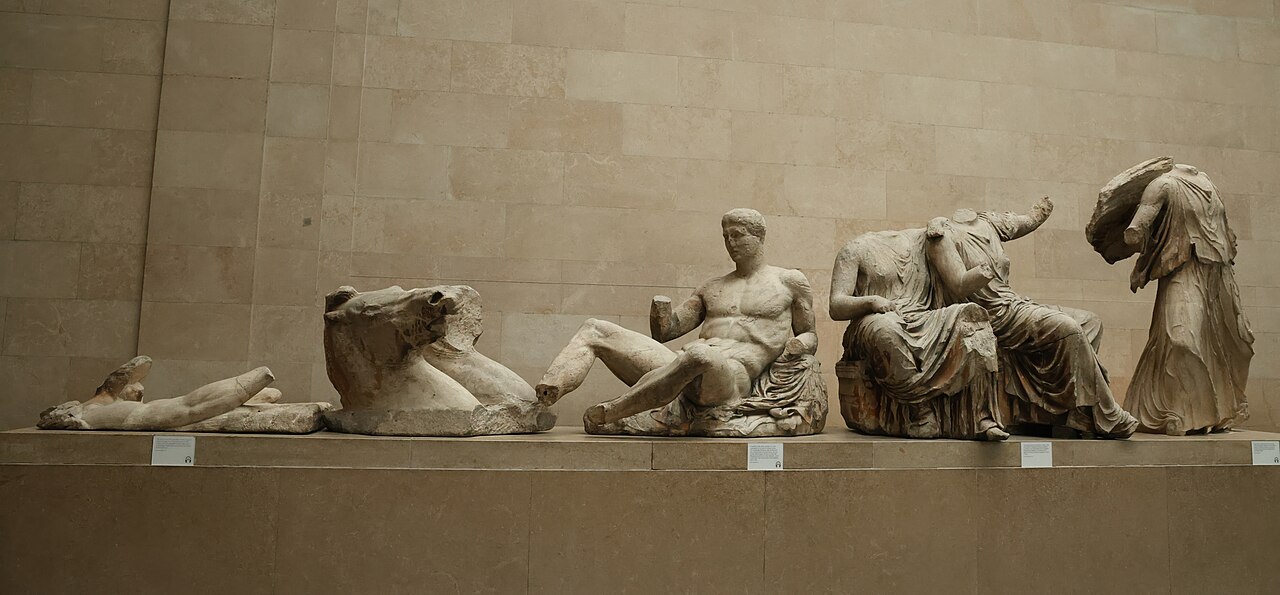
The Parthenon Sculptures are currently in the British Museum, but they originate from Greece. In the early 1900s, these marble statues were taken from Athens illegally by Lord Elgin, who was a British ambassador to the Ottoman Empire. Greece has demanded that these statues be returned for decades, and while the British Museum considered loaning some of the marbles to Athens, the museum’s trustees have publicly stated that their objective is keep the marble statues open for the world audience.
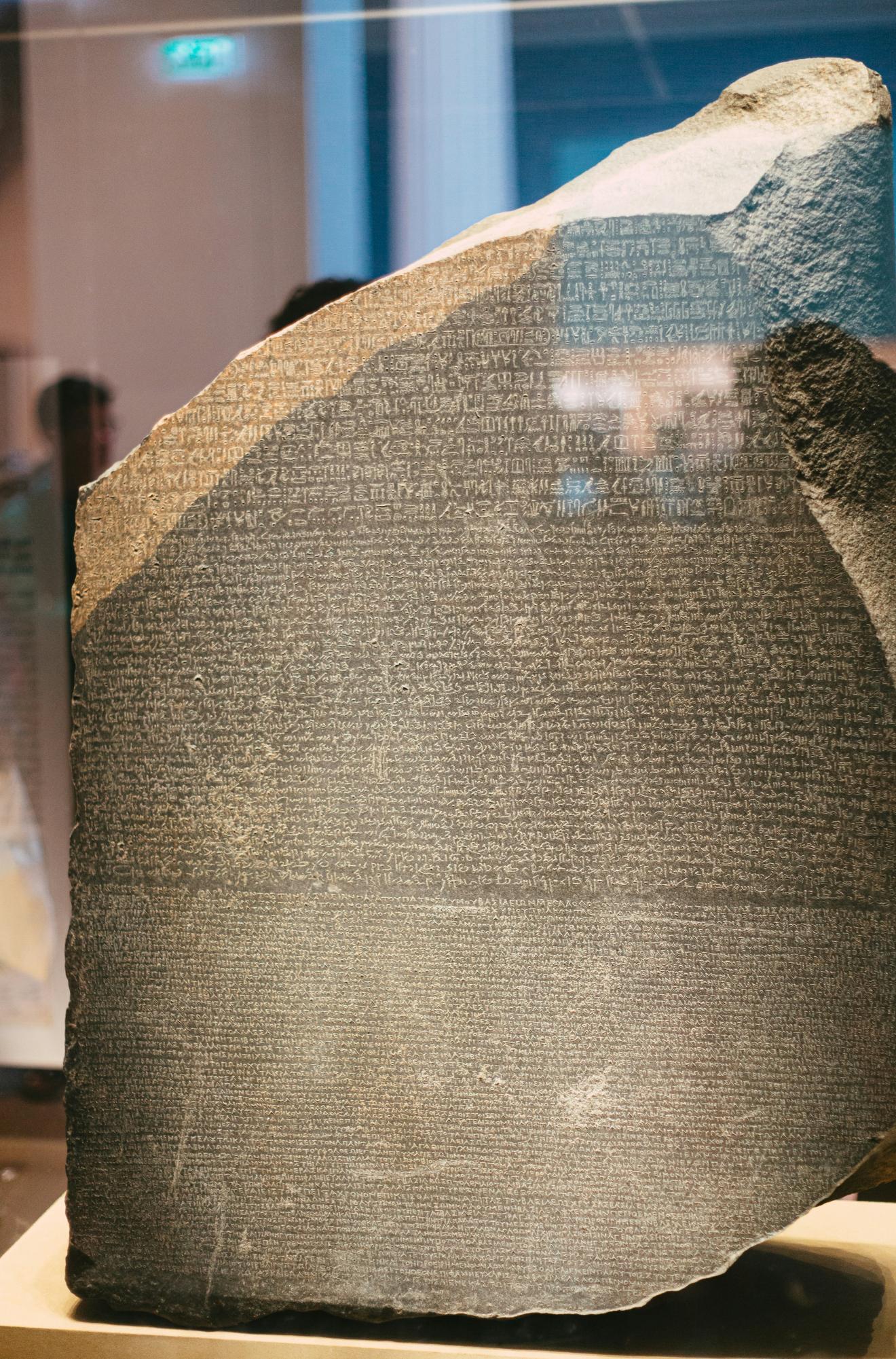
The Rosetta Stone is currently in the British Museum, but its origin is in Egypt. It is one of the most important archaeological finds ever made and one of the world’s most notorious stolen artifacts. Discovered by French troops in 1799, this ancient stele featured a decree in three different languages and was pivotal in deciphering the ancient Egyptian language. It was seized by the British in 1802 as a spoil of war and remains one of Egypt’s most highly-sought-after lost treasures. According to FodorsTravel, Egyptian authorities have demanded the stone’s return, as the piece is “an ‘icon’ of Egyptian identity.” The British Museum disagrees, claiming that the Rosetta Stone is an essential part of humanity’s universal heritage, and if it were returned to Egypt, it would be less accessible to the public.
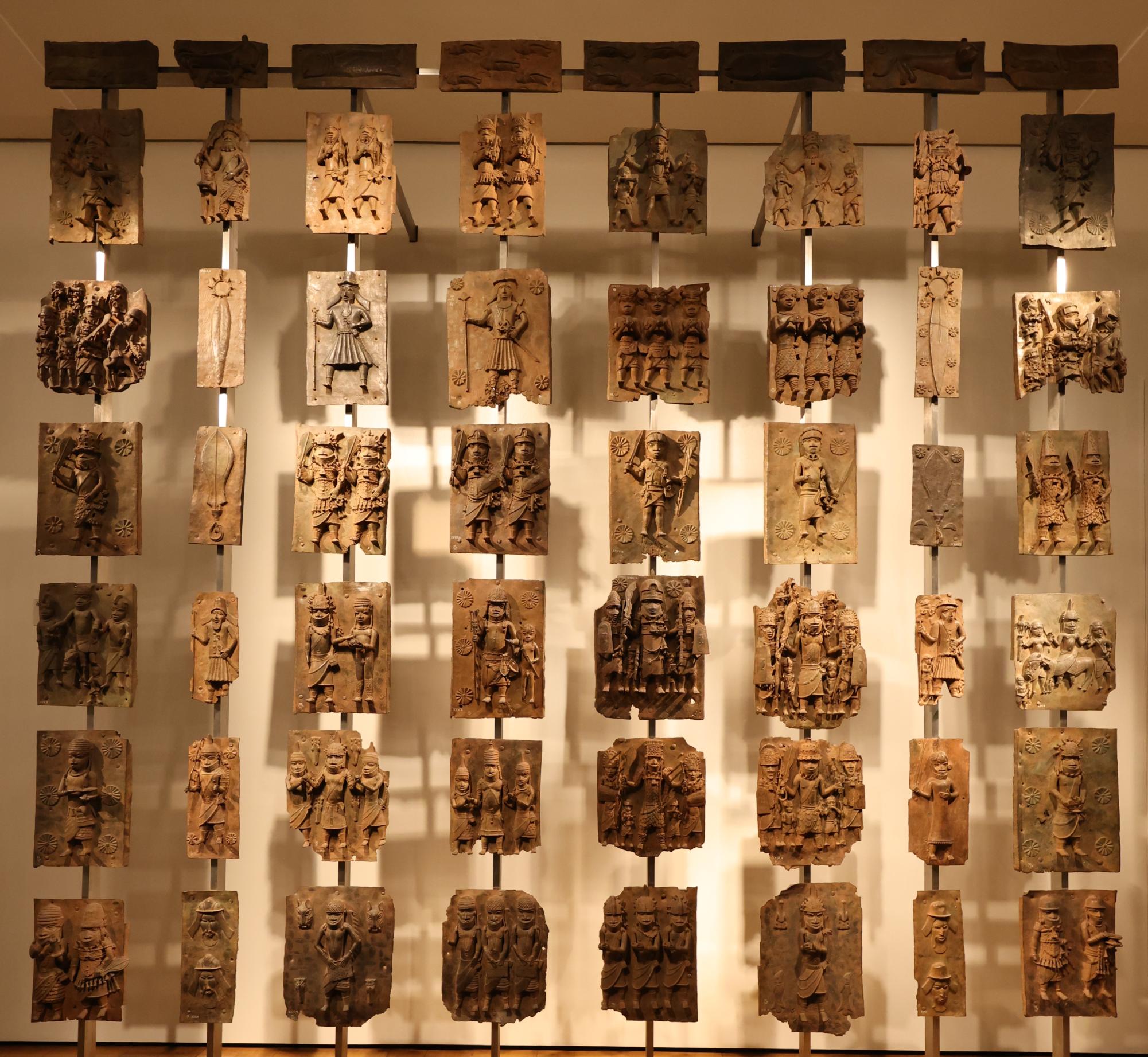
The Benin Bronzes are currently separated between various institutions, including the British Museum, the Metropolitan Museum of Art and private collections. However, the origin of these sculptures is the Kingdom of Benin, or modern-day Nigeria. This spectacular collection of 3,000 brass and bronze plaques, sculptures and regalia were violently looted by British forces in 1897 before being sold at auction to private collectors around the world. These Benin Bronzes deserve to be repatriated, but a multitude of institutions disagree. Some claim that modern corruption and the kingdom’s historical participation in the slave trade and human sacrifice are reasons why the historic kingdom does not deserve the return of these relics. Moreover the British also argue that because of the British Museum Act of 1963, it prohibits returning looted items to their country of origin.

At 105.6 carats, the Koh-i-Noor diamond is one of the largest cut gems in the world. It is currently in the Tower of London, but its origin is India. It is deeply tied to the conquest of the Sikh Empire and was handed over to the East India Company in 1849 and then surrendered to Queen Victoria. This spectacle of a diamond has a curse surrounding it. Family & Co. Jewelers said that the original Hindu texts state, “He who owns this diamond will own the world but will also know all its misfortunes. Only God, or a woman, can wear it with impunity.” It is set in Queen Elizabeth’s Queen Mother Crown and has never been worn by a male British ruler. According to Raven Pearson of The Lovepost, the British have made no attempts to return the gem to its rightful home as they claim the diamond was acquired legally.
“The Koh-i-Noor diamond was surrendered under British ‘guardianship’ at that time [it was taken], which makes its ‘legal gift’ argument complete technicality. The UK government uses this ‘completing claims’ mess as a reason to stay out of it, but in India, it’s still a huge symbol of colonial extraction and literal ‘mountain of light’ was cut down and taken away,” said Karnam.
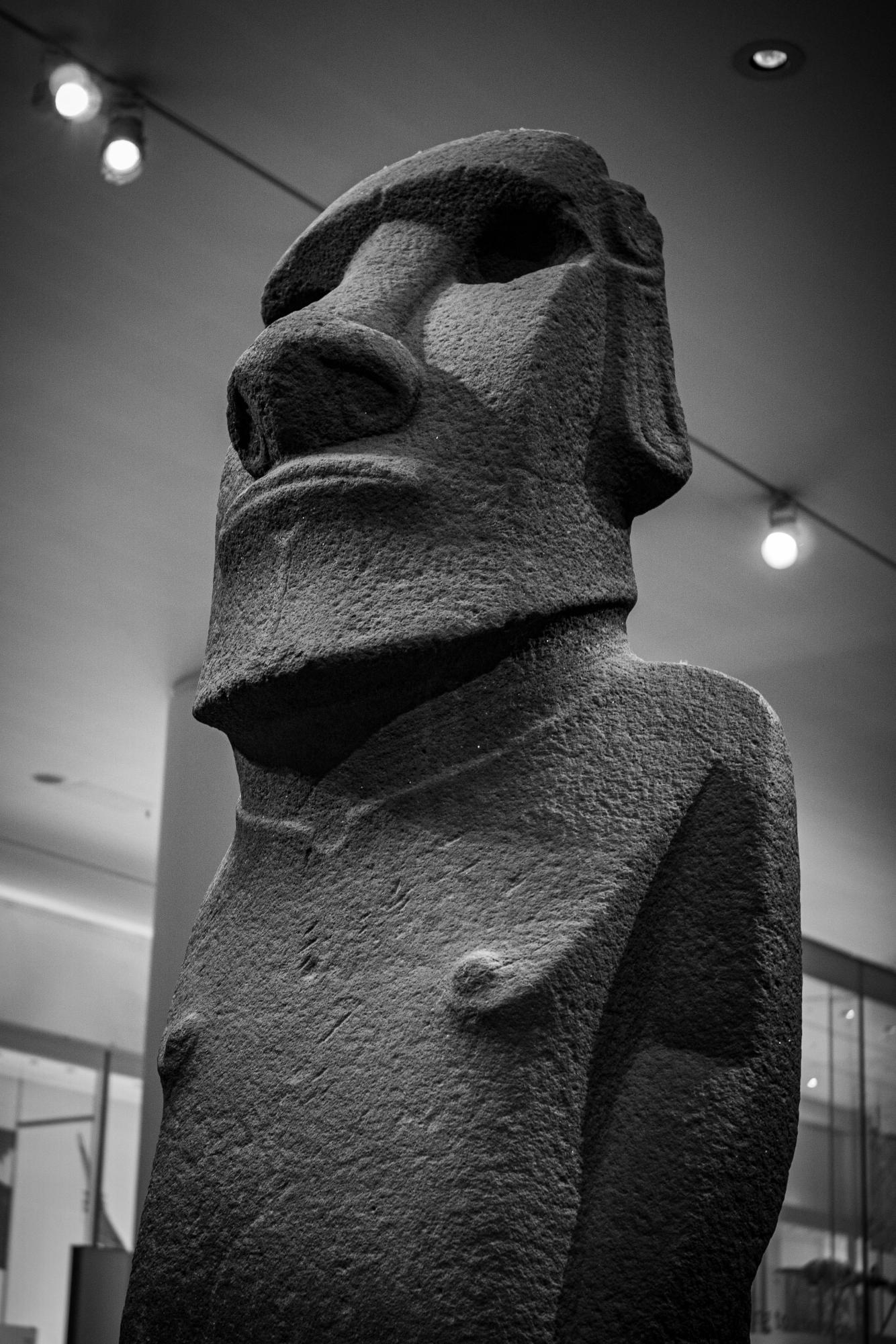
The Maoli or Moai Head, currently sits in the British Museum. This sacred statue was taken from Easter Island, specifically from the Rapa Nui people. This statue carries the islanders’ ancestral spirits and is an essential part of the Rapa Nui culture. Although the community advocated for the return of this statue in 2018, the British Museum resisted the request. Since Easter Island is so remote, opponents argue that not many tourists will be able to visit the statues in their native land. This statue isn’t just a stone to these people; it embodies an ancestral spirit that should be returned to its ancestral land, regardless of whether people have access to it.
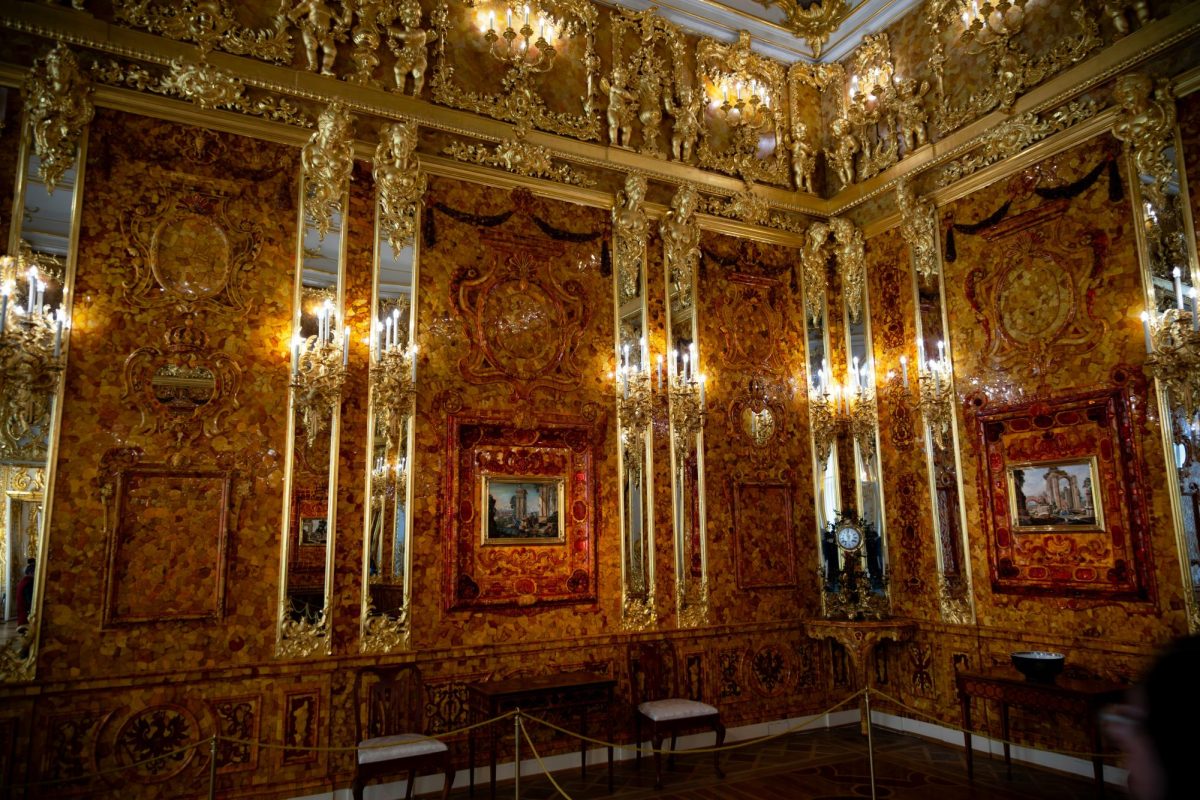
On the other hand, there are treasures and artifacts that were looted and disappeared from less secure locations and haven’t been seen since.
The Amber Room, which is often called the ‘Eighth Wonder of the World,’ was an 1800s Russian masterpiece. It had walls that glowed with gold leaf, amber panels and intricate mirrors that were mesmerizing. According to History Collection, during World War II, Nazi forces looted the chamber and transported it to Koningberg. After the war, the looted goods vanished without a trace. The Amber Room still remains one of history’s most tantalizing mysteries, which gives rise to many theories. Curators from big museums would argue that artifacts such as this would be in a more secure and stable environment, rather the artifact being in the home country, where it could be chaotic and unstable. But the quest for the Amber Room is about reclaiming a piece of a nation’s soul that was never meant to be a trophy of war.
History teacher Jonathan Bushhouse, thinks that it’s important for museums to accept every member of the public, especially if the museum is housing a stolen or looted artifact.
“[When museums say] ‘Well, I’m not going to destroy it, and I’ll let people look at it is not doing much there. Otherwise, that’s just saying, ‘Yeah, I stole it, and I’m going to keep it,’” said Bushhouse.
There are a lot more artifacts that were lost, stolen but never returned, or held captive in foreign lands while original countries that cry for their return are met with silence. The original countries deserve their looted artifacts or treasures despite their internal conflicts, as it belonged to them in the first place. Stolen artifacts need to be given back because they hold people’s history and beliefs, but for this to happen, people will have to continue to campaign for their return.
Your donation will support the student journalists of Fuquay-Varina High School. Your contribution will allow us to purchase equipment and cover our annual website hosting costs.












Lekha • May 14, 2026 at 8:31 pm
You did great job keerthana
Pushpa • May 14, 2026 at 8:28 pm
Treasure belongs to mother country
Your thoughts very good the way you write this article good