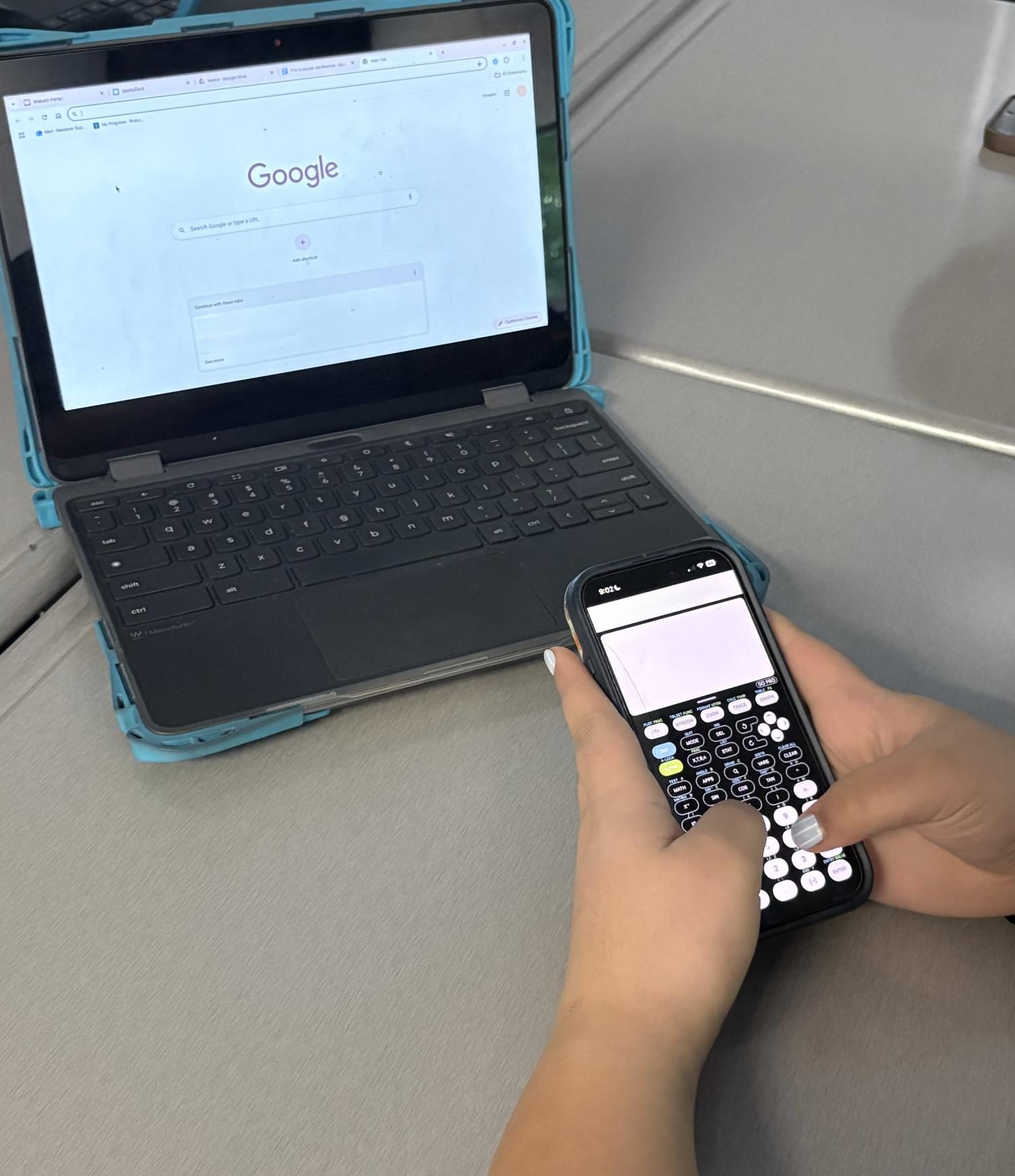
Walk into any modern office, research lab or creative studio, and you will not find a ‘phone cubby’ by the door. Professionals use their devices to collaborate, calculate and communicate in real time. By integrating smartphones into our curriculum, we would not simply be playing on our phones, we’d be practicing the digital literacy required for the world beyond high school graduation.
Many students already recognize that the transition from a tech-restricted classroom to a tech-dependent career can be a jarring shift.
“After high school you’re going to be using [phones] a lot more,” said freshman Shraddha Piskala ArunKumar. “[Phones] get [students] used to using their resources.”
These resources can extend far beyond a simple Google search. When treated as academic tools, smartphones can allow students to access worldwide data, participate in polls, and manage their busy teenage scholastic schedules through organizational apps. However, realizing this potential would require a major shift in policies. Some students argue that strict phone bans don’t actually stop phone use, they just drive it underground.
“I think [banning phones completely] would hurt students because they would be more sneaky and make it more of a priority to have their phone [in class],” said freshman Gabriella Wiggins.
When technology is forbidden, it can sometimes become even more of a distraction. Instead of pushing students to hide their tech, a more effective approach could be to teach them how to balance between high speed connections online and high speed concentration in the real world, a skill they’ll need for the rest of their lives.
When schools rely solely on restriction, they can risk the possibility of creating a culture of resentment rather than one of mutual respect. For some, a phone is more than a toy, it can be a vital part of their daily motivation and social connection.
“I feel like [banning phones] would hurt because people would not want to come to school,” said ArunKumar.
The drive to hide technology reveals a deeper issue: a lack of trust that can alienate the student body even further from their instructors. When students feel their primary connection to the modern world being cut off, school starts to feel like a place of restriction rather than opportunity.
Rather than fighting the digital tide, we can try to embrace it. By implementing policies like small use, censorship or another integrated phone policy, we can stop treating phones as the classroom enemy and start using them as the grand superpower that they have the potential to be.