We traded a golden hour of sleep for a golden hour of evening sun. This week, students arrived at school under the cover of a pitch-black sky, blinking back sleep as they navigated the school parking lot. But while the mornings become a struggle, the trade off at the end of the day more than makes up for it. The first hint at spring and the long afternoons of freedom that come with it are finally within reach.
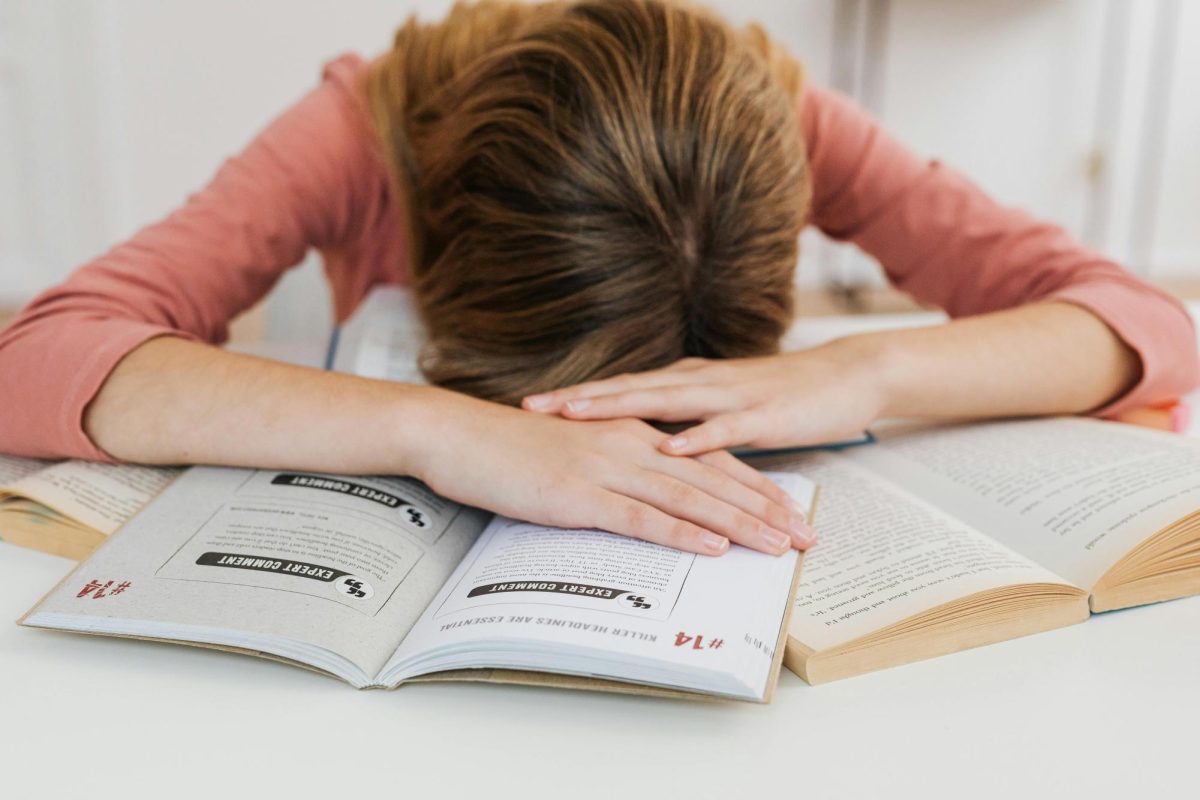
The transition wasn’t exactly seamless. For many students, the initial ‘spring forward’ felt less like a leap and more like a stumble.
“I couldn’t go to sleep; I was just lying awake in my bed,” said freshman Ayla Pugh.
However, once the initial grogginess of the morning faded, the benefits of extra evening sun began to kick in. Despite the restless night, the late afternoon glow provided a mental second wave of excitement.
“I have more energy because there is more daylight. I feel more productive,” added Pugh.
It seems the human body (especially that of a teen’s) is caught in a strange tug-of-war game. This is technically true; we are sleep deprived, but the sun has tricked our brains into working overtime.
It wasn’t just the clocks that changed, the entire energy of the campus shifted.
Freshman Alexis Kamphongthai described the scene as “quiet, empty, and dark” upon her arrival.
That lack of light often translates to a lack of motivation. It’s difficult for students to tackle their classes when the sun has yet to hit the horizon.
“The loss of sleep makes me upset,” said Kamphongthai.
Ultimately, the ‘spring forward’ time shift is a high stakes trade. Students sacrifice their morning sanity for a sliver of additional evening sun. While the pitch black voyage leaves the student body feeling like sleep deprived ghosts, the boost from post-school daylight eventually wins out.