Rules have been set in society long before anyone can remember. Whether they be school policies or national laws, they are created to protect, systemize and ensure justice for all. Rules are created from society’s perception of ‘right’ and ‘wrong.’ Without them, many communities would struggle to be efficient, safe and stable. Despite their beneficial purpose, many continue to rebel and break these carefully constructed laws. The reasons behind these rebellions, big or small, are rooted in a deeper cause, which is influenced by psychology, moral beliefs and social influence.
One significant reason why people break the rules is due to something called psychological reactance. According to research published by Macquarie University’s The Lighthouse, psychological reactance is “the motivation to regain a freedom after it has been lost or threatened.” In essence, the study highlights that when people feel they lose their sense of freedom or control, they often try to ‘win’ it back by resisting the rule itself. The self-determination theory backs up this research by clarifying that an individual’s autonomy is one of the basic necessities humans need to survive. When one senses that they’re being pressured or forced into something, they automatically feel their control being threatened.
Paul Spector,another professional who has researched the subject, explained, “The more they are pressured, the more strongly they disagree.” Rules or laws that threaten an individual’s control are often the most commonly broken. One of the notable acts of resistance was during the Covid-19 lockdown. Many refused to wear masks and adhere to the travel bans as they believed that the government and system had no right to tell them what to do.
Social influence is another key factor in why people break rules. Human nature is often shaped by the environment and behaviors around us. When we see others, especially in our social groups, doing something morally wrong or against the rules, we naturally try to fit in and do the same. This idea is supported by psychologist Solomon Asch’s conformity experiment, which studied how people react and conform to group pressure. Near the end of the experiment, participants confessed that they followed the group despite knowing that they were wrong.
According to Very Well Mind, “The students stated that while they knew the rest of the group was wrong, they did not want to risk facing ridicule.” This reveals that the fear of criticism and rejection drives individuals (often adolescents) to follow their peers to fit in, even when that means breaking rules.
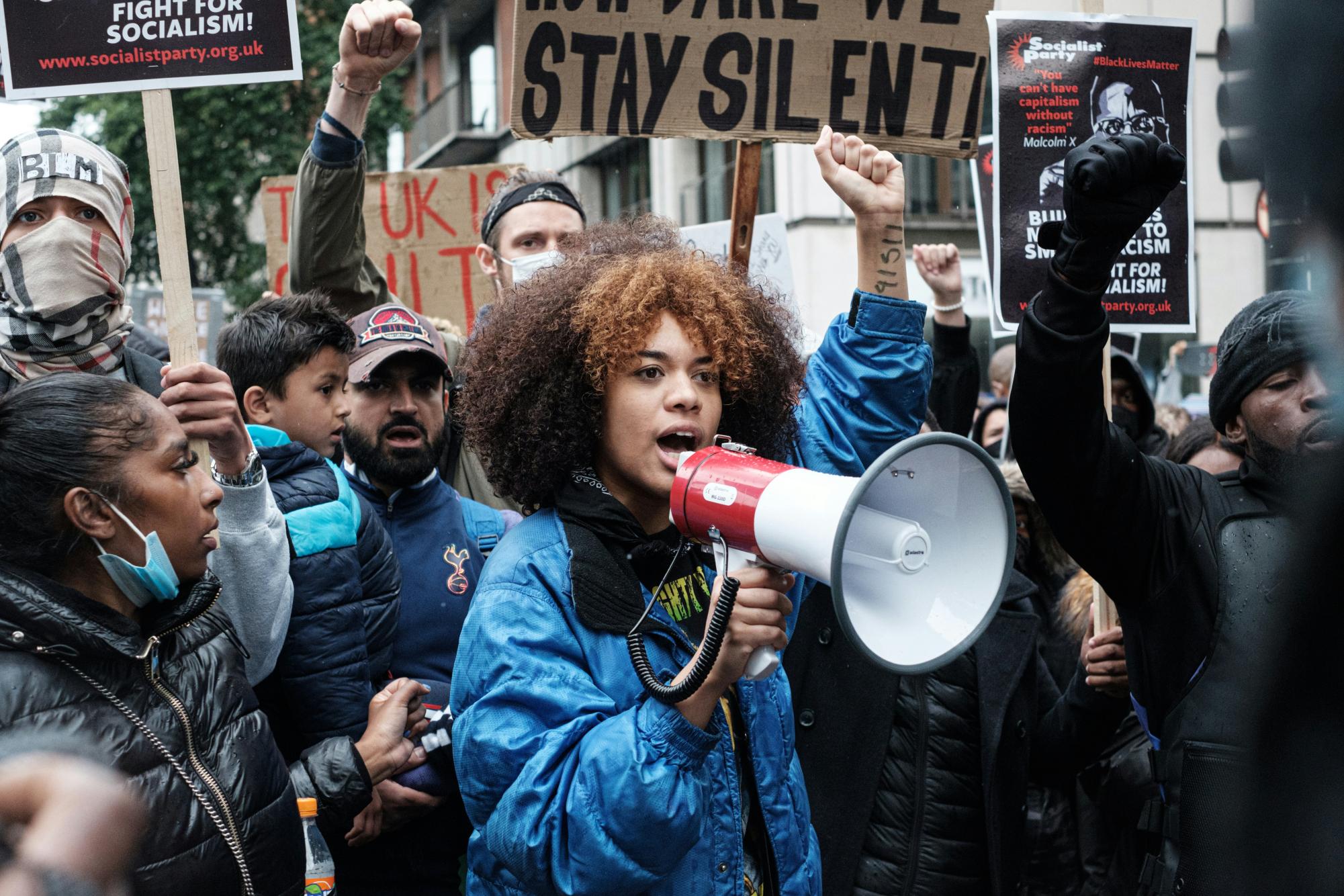
Lastly, the third key part of why people break rules is because of their moral beliefs. When one believes that they, or their community, are being treated unjustly by laws, they begin to rebel and protest against these powers for what they think is right.
Throughout history, people have challenged and resisted unjust laws; one key figure is Rosa Parks, who is known for her role in the Civil Rights Movement. In 1955, Parks refused to give up her seat on a segregated bus, which violated local laws at the time. Her refusal to follow the rules and laws helped start the Montgomery bus boycotts and brought national attention to racial segregation in the United States. This type of action is known as civil disobedience.
According to The Collector, John Rawls described civil disobedience as, “a public, nonviolent, conscientious yet political act contrary to law, usually done to bring about a change in the law or policies of the government.” This depicts how some people resist and break rules not out of impulse or reckless drive, but because they believe those rules are morally wrong and unjust. Most individuals who participate in civil disobedience seek to bring change to laws and society.
In summary, there is not a single reason why individuals break rules; key factors influencing individuals’ choices arise from psychological reactions, social pressure and moral beliefs. Understanding these motivations can help explain why people continue to break and challenge rules, even when most are created to maintain order.