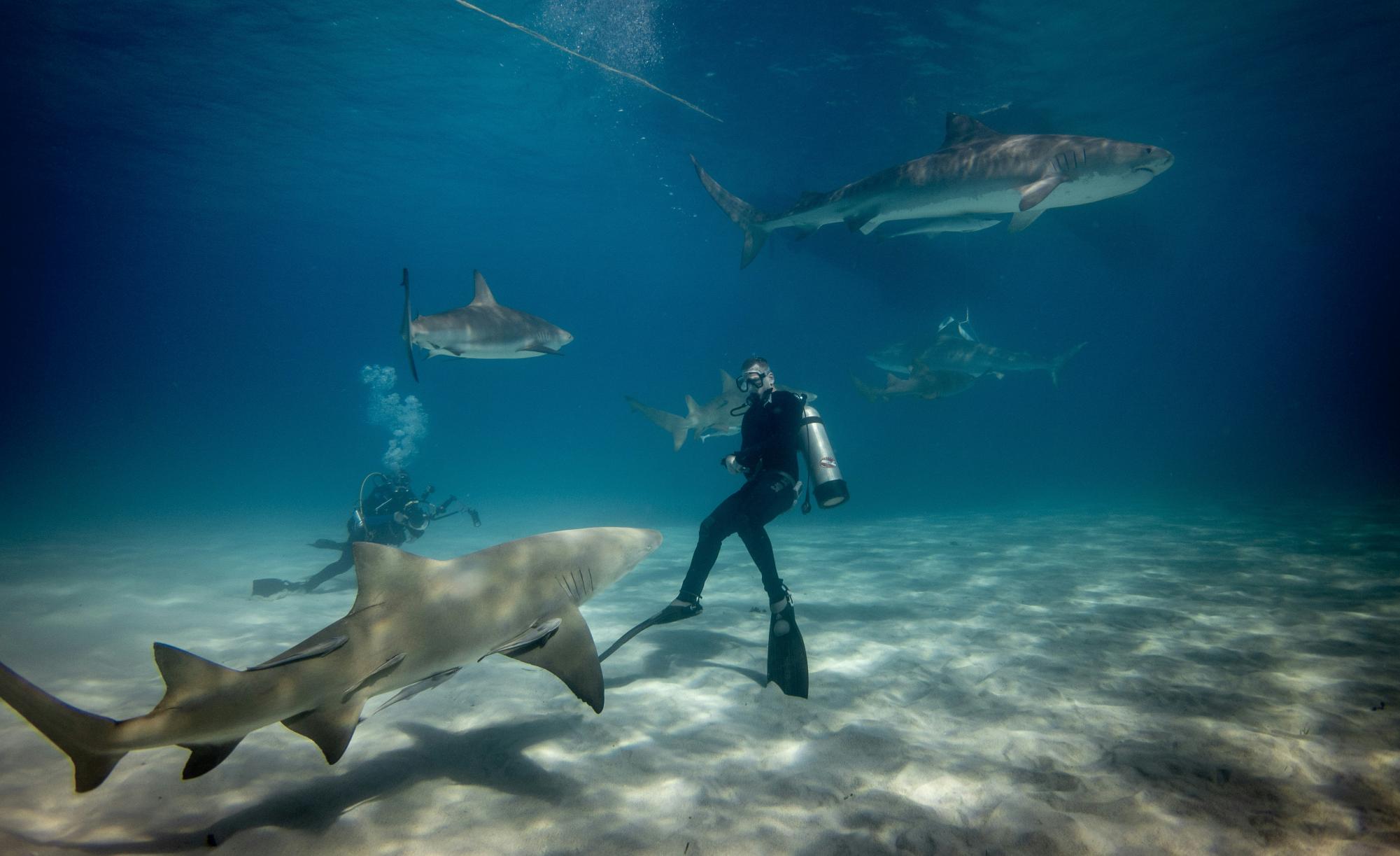
It is easy to view the deep ocean as a world separate from our own, governed by different rules and distant dangers. However, the boundary between the high seas and human society can be thinner than it appears. The stability of our coastlines, the health of our global food supply and even the future of modern medicine are all tethered to a predator that rarely ever enters our sight yet quietly dictates the rhythm of our environment: sharks.
While sharks are usually viewed as solitary hunters of the deep, their role can be far more integrated into the architecture of the ocean than their reputation suggests.
“Sharks are known as apex predators. They are the keystone species because without them, the ecosystem collapses,” said marine biology and science teacher David St. Clair.
Because sharks have existed for so long, their bodies have developed unique features that help them survive and stay healthy in water. By studying shark anatomy, researchers can find ways to improve certain details of life from hospital care to even sports equipment.
“We have medical procedures that are using shark skin for burn victims. They’ll put the shark skin on the burn and allow for the skin underneath to grow. The shark’s skin actually protects them from bacterial infection. Then you have swimmers that are actually using a synthesized, human made swimsuit that acts like shark skin and that speeds up your swimming times and makes you more efficient when you’re moving in the water. That’s just two [advancements of innovation from sharks for human use],” said St. Clair.
These innovations are clear examples of how much we can learn from the natural world. By looking at how sharks have functioned for millions of years, we are actively finding new ways to improve our own lives and technologies. This shows that protecting these predators isn’t just about saving a species; but it’s also about keeping a valuable source of human inspiration alive and well in our oceans.
With overfishing threatening to remove these predators from our oceans, we risk losing the creatures that inspire so much of our medical and technical progress. Protecting them can ensure a healthier future for us all.
Despite the benefits that sharks provide for humans, getting the public to care can be a significant barrier. While some people are quick to support the conservation of more ‘friendly looking’ marine life, sharks sometimes struggle with a reputation that makes it hard for some people to see that they can be worth protecting.
“People tend to focus more on the cute animals because they are easier to like and support,” said Olivia Dowling, shark enthusiast and junior at FVHS. “The ‘scary’ animals have less public support because they are not only feared, but seen as dangerous.”
This gap in public support highlights the difference between how we see sharks and how they actually function. However, as sharks continue to serve as a point of inspiration to human lives, humans should be able to get past the labels of ‘scary’ or ‘dangerous’ to recognize the role they play in a healthy world.
Ultimately, understanding the true value of sharks is the first step toward their survival. By looking past our fears and toward a future of supporting their protection, we can ensure a healthier life for both ourselves and our oceans.