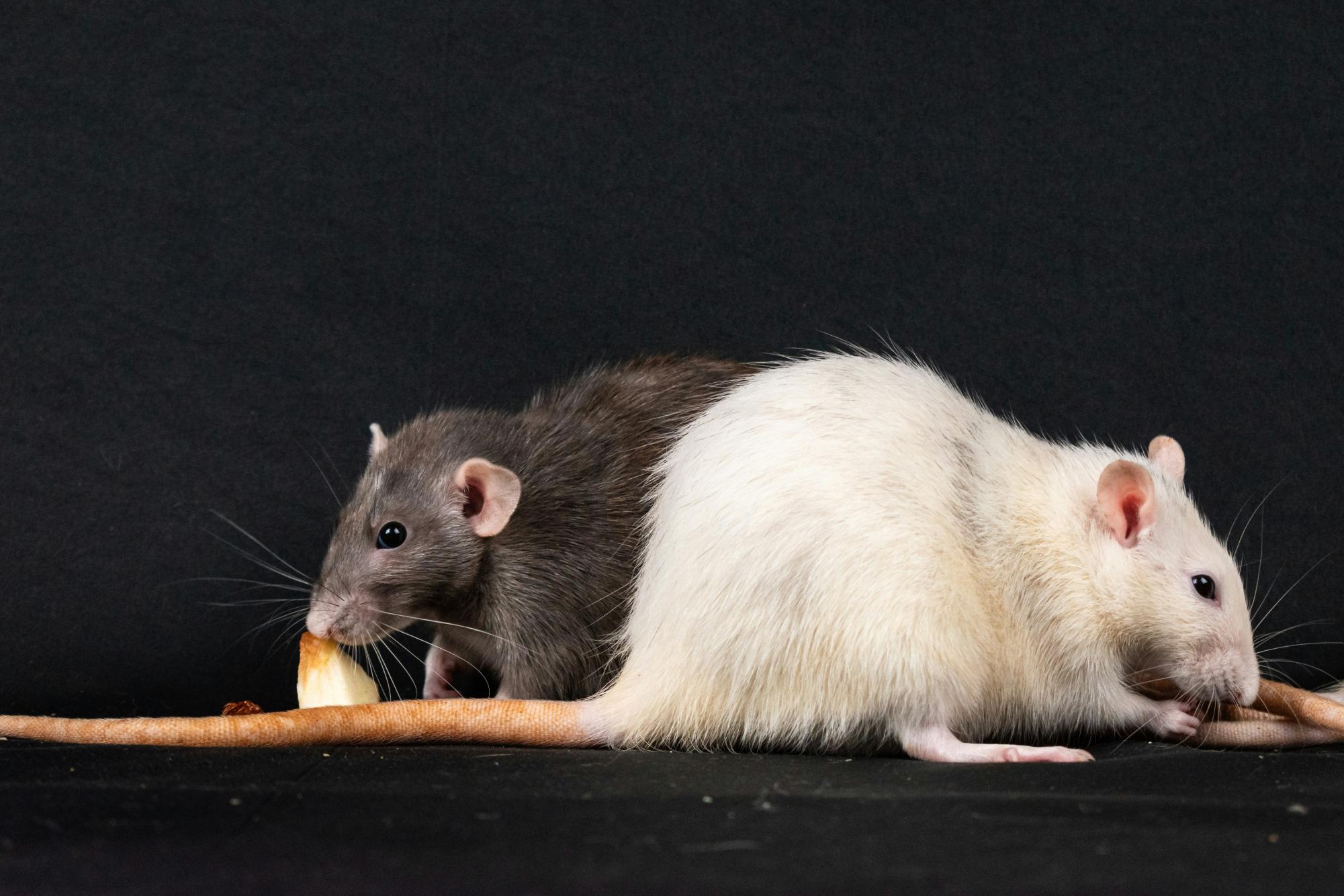
Recent health reports have brought attention to the Hantavirus, a rare but serious respiratory disease. The World Health Organization says unlike common school illnesses like the flu, Hantavirus is a zoonotic disease, which means it’s passed from animals to humans, specifically through rodents. In North America, a mouse is the primary carrier.
The ECDC said there was a cruise ship called MV Hondius from Argentina which was on its way across the South Atlantic ocean. The cruise turned deadly because before getting on the trip, one of the passengers reportedly went to a landfill and accidentally breathed in the dust contaminated by infected rats according to PBS News The situation became more of a major problem when a flight attendant was rushed to the hospital in Amsterdam with mild symptoms. It freaked people out because Hantavirus is very dangerous when you catch it, and people panicked thinking that it was a new highly contagious pandemic starting on a cruise ship.
Junior Kiyana Spencer said, “Honestly, it’s kind of stressful because everything that happened a few years ago. Every time a new virus pops up in the news, everyone posts and talks about it. Some kids joke about it to act like they don’t care, but you can tell people are worried about getting sick or having to go back to online school.”
When we think about our school environment, we usually think of classrooms and hallways. However, the outdoor school grounds including sports fields and playgrounds could possibly create a small connection to the Hantavirus if it isn’t managed right. This virus stays in nature before it ever reaches a building, and the way we manage our school’s land can change the level of risk for students. Schools could also prevent mice from coming into the building by providing mouse traps and sealing small cracks and holes where they can enter. The impact that this has on our school is that many students wonder if Hantavirus could cause a lockdown similar to the one experienced during the COVID-19 pandemic.
According to the World Health Organization this is highly unlikely. It’s unclear how the cruise ship outbreak occurred, but some people think the virus can mutate, and they can get it by contact and being near people who have it. Even the rare Andes strain, which has shown some human to human spread in South America requires extremely close contact and does not move through the air easily between people.
Dr. Bill Hanage, from Harvard University, says we need to look at the facts. He told reporters, “The vast majority of the world has absolutely no worry at all. What they should be doing is paying attention to public health officials and acting appropriately.” This shows that as long as our schools follow rules, students are safe.
Health experts agree that while we must remain calm and keep our schools clean. The history of the virus makes a big community lockdown unlikely. For now, the best way to stay safe is simply staying informed and keeping mouse areas more cleaned and organized.
According to the CDC, experts are handling this situation with the National Quarantine Center at the University of Nebraska. They aren’t just letting passengers from the cruise ship go home, they are monitoring them for up to 45 days as well as tracking everybody who was on the cruise ship.